Selecting the right window coverings can help keep your home cooler and save energy. Two popular choices are solar screens and window film. Both help block heat and sunlight, but they work in different ways and offer different results.
Many people use them to lower electric bills, reduce glare, and keep furniture from fading. Solar screens go outside the window, while window film sticks to the glass. What you choose depends on how much light, privacy, and savings you want.
In this guide, we’ll compare solar screens vs window film to help you find the best one for your home. We’ll explain the pros and cons, the costs, and how each one works, so you can make an informed choice.
What Are Solar Screens
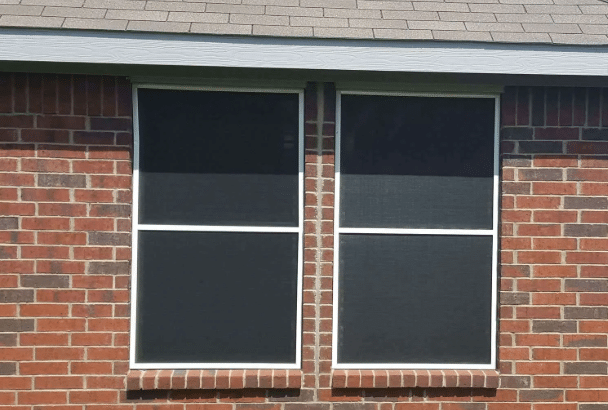
Solar screens are mesh panels placed outside your windows to block sunlight before it reaches the glass. Made from fiberglass or polyester, they are fitted into a frame over the window. These screens help lower indoor heat and improve home comfort fast.
Solar screens can block up to 90% of the sun’s heat, depending on the material. Since they’re installed outside, they also cut glare and offer privacy during the day. This makes them a smart, energy-saving choice for keeping your home cooler while protecting your interiors.
What Is Window Film
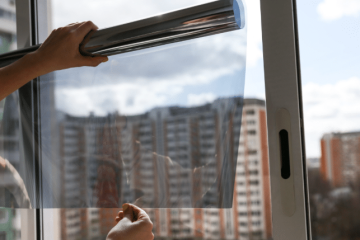
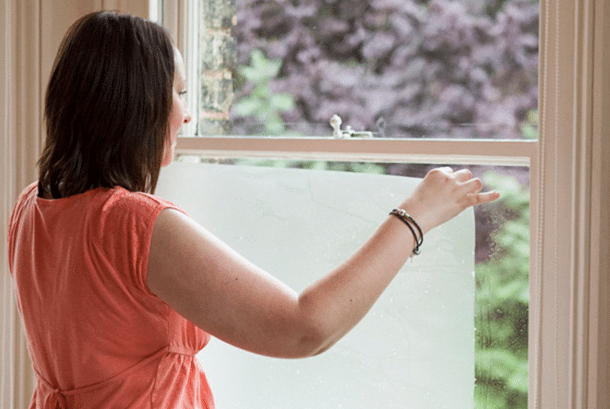
Window film, on the other hand, is a thin adhesive layer applied directly to the interior side of your windows. It comes in various types: reflective, tinted, ceramic, and low-emissivity (low-E) films, each offering different levels of heat reduction and UV protection.
Unlike solar screens, window films are almost invisible and do not alter the external appearance of your home. They work by reflecting or absorbing sunlight, and some types are specifically designed to allow light in while reducing heat.
What’s the Difference Between Solar Screens and Window Film
Choosing between solar screens vs window film isn’t always easy, as both have their advantages. The best option depends on your home’s specific needs, budget, and climate.
1. Heat Reduction and Energy Efficiency
In the comparison of solar screens vs. window film, both help reduce heat. Solar screens block sunlight before it hits the glass, cutting indoor heat by up to 15 degrees. Window film reflects heat after it enters. Films work well but less in extreme heat.
2. UV Protection
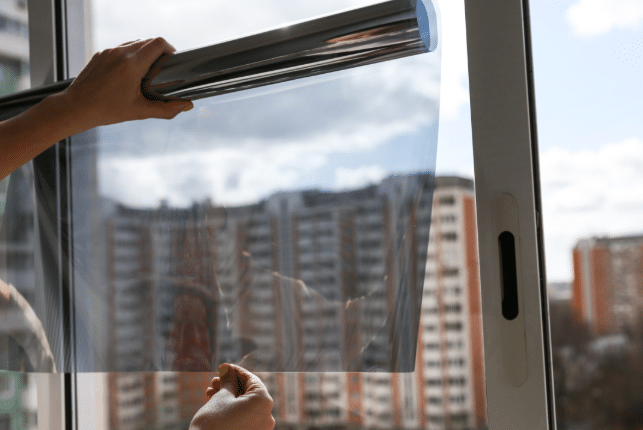
Both solar screens and window film protect against harmful UV rays. Window films block up to 99 percent of UV rays, shielding skin and furniture. Solar screens block 80 to 90 percent of UV rays but may let some through the mesh. Films offer stronger UV protection indoors.
3. Glare Reduction and Visibility
Solar screens cut glare by fully shading windows, but they also darken rooms and block outside views. Window films let in more light and keep opinions clearer. Tinted or reflective films reduce glare, allowing you to enjoy daylight and the outside scenery.
4. Privacy
Solar screens give good daytime privacy by blocking outside views. But at night, lights inside can reveal the interior. Window films also offer daytime privacy, especially those with a tinted finish. Still, you’ll need curtains or blinds for privacy when it’s dark outside.
5. Aesthetics and Visibility
Solar screens alter the appearance of your home from the outside. Some people prefer the shaded look, while others believe it obscures the window style. Window film is almost invisible when installed correctly, keeping your window’s original look while making your home more comfortable.
6. Installation and Maintenance
Solar screens are placed outside and are easily removable or replaceable. However, large windows may require expert assistance. Window film is more complex to install without bubbles, so pros are often needed. Once installed, it’s easy to clean and requires minimal care.
7. Durability and Lifespan
Solar screens are designed to last and can remain strong for 10 to 15 years with proper care. But they can wear out faster in harsh weather. Window films remain indoors and are safe from damage. Good films can last up to 20 years with proper care and maintenance.
8. Cost
Cost plays a significant role when choosing between solar screens vs window film. Solar screens cost more, around $60 to $100 per window. Window film is more budget-friendly, typically priced between $6 and $15 per square foot. High-end films can cost more depending on the type.
When to Choose Solar Screens
Opt for solar screens if:
- You live in a hot climate and need maximum heat reduction.
- You want exterior window treatments that double as storm protection.
- You prefer a more traditional or shaded window look.
- Your goal is to reduce cooling costs significantly during summer.
When to Choose Window Film
Go with window film if:
- You want to preserve your home’s appearance.
- You live in a moderate climate with mixed seasons.
- You need maximum UV protection without blocking natural light.
- You’re looking for a quick and affordable solution to reduce glare and heat.
Solar Screens vs Window Film: Can You Use Both
Some homeowners opt to use both solar screens and window film, particularly in areas with intense sunlight. This combo boosts heat and UV protection. Solar screens can be removed in winter to let in more light, while window film remains in place all year.
Using both might not be needed for every home. It’s smart to check your home’s direction, window placement, and the local weather. Selecting the right option helps improve comfort, save energy, and avoid unnecessary expenses.
Conclusion
Choosing the right window solution can help your home stay cooler and save on energy costs. You want something that blocks heat, reduces glare, and protects your furniture from damage. Your choice depends on what matters most: privacy, light control, or exterior appearance.
This guide compares solar screens vs window film, covering how each works, their pros and cons, and what fits best for different homes. Now that you know the basics, you can choose what works best for your comfort, needs, and budget.
Atlas Solar-Tex is ready to help with honest advice and professional service. We offer high-quality work at great prices. Call us at 817-447-3500 today and let us make your home cooler, more private, and energy-efficient.
End Note
Atlas Solar-Tex offers smart and affordable ways to keep your home cool and reduce sunlight. With high-quality solar screens, you get better comfort, energy savings, and sun protection. Visit our website to explore all services and solutions for your home.
Learn more about the team and company values through the About Us and Company Info pages. The focus is on reliable service, long-lasting products, and simple fixes that work. See how solar screens can improve your windows and reduce heat.
For support or to schedule a visit, go to the Contact Us page. The team is ready to help you stay cool, lower your energy bills, and protect your home from the sun. Atlas Solar-Tex is your trusted partner for comfort and quality results.
Frequently Asked Questions
What Is Better, Window Tint or Solar Screen?
Window tint and solar screen both reduce heat and glare, but window tint works better for indoor visibility and looks cleaner. Solar screens block more heat but can darken rooms. Choosing between them depends on your needs, style, and how much light you want.
What Are the Disadvantages of Solar Screens?
Solar screens can make your rooms darker, block outside views, and may not look good on every home. Over time, the screens can fade, tear, or wear out. While they reduce heat well, some homeowners find them bulky compared to window film or tint.
Is Solar Film Better Than Reflective Window Film?
Solar film reduces heat, blocks UV rays, and allows more natural light to pass through than reflective window film. Reflective film blocks more heat but can create a mirror effect. If you want comfort without intense glare, solar film is a better choice for windows.
Are Solar Screens for Windows Worth It?
Yes, solar screens are worth it if you want to cut energy costs and keep rooms cooler. They block sunlight before it hits the glass, which helps protect furniture and reduces indoor heat. Many homeowners find them helpful for comfort and energy savings.
What Are the Disadvantages of Solar Windows?
Solar windows are more expensive than regular ones, and their installation can be complex. They may not generate as much power as solar panels. Also, over time, performance can drop. While they save energy, solar windows may not be the best fit for every home.