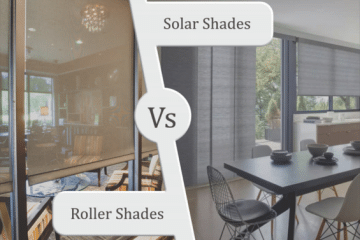
Choosing the right window treatments can completely reshape a room, affecting natural light, privacy, energy efficiency, and overall interior style. For homeowners seeking a clean, modern look, roller shades and solar shades often top the list. While they may appear similar at first glance, each option offers distinct benefits that influence comfort, performance, and design.
Understanding the distinctions between a roller shade and a solar shade is essential when selecting the best fit for your home. The comparison becomes even more important if your priorities include heat control, glare reduction, privacy, or enhancing your décor with a streamlined, contemporary finish.
The guide that follows explains everything you need to know about roller shades vs solar shades, helping you confidently choose the window treatment that matches your style, supports your daily comfort, and enhances the visual appeal of your living spaces.
Understanding Roller Shades and Solar Shades
Roller and solar shades both operate with a top-mounted tube that smoothly rolls the fabric up or down. However, the type of fabric determines how each shade interacts with sunlight, interior design, and visibility. Roller shades use solid fabric designed for privacy and flexible lighting adjustments. Solar shades use performance-engineered woven material developed specifically for sun filtration and UV reduction.
For additional insights into choosing between these two popular options, you can read our article What Key Differences Should You Know Before Choosing Roller or Solar Shades?
How Roller Shades Work
The simplicity of a roller shade is a major part of its appeal. It’s constructed from a solid sheet of material attached to a roller tube at the top of your window. Using a control mechanism, you can easily raise or lower the shade to achieve your desired level of light and privacy. When fully raised, the fabric neatly wraps around the tube, offering an unobstructed view.
One of the biggest advantages of roller shades is the variety of styles available. You can choose from sheer fabrics that gently diffuse light, light-filtering materials that offer a soft glow and privacy, or a blackout roller shade that blocks up to 99% of incoming light. This makes them incredibly versatile for any room, from a living area that needs soft light to a bedroom that requires total darkness for sleep.
In terms of appearance, roller shades offer a vast world of possibilities. They come in an extensive range of colors, textures, and patterns, from subtle neutrals to bold, vibrant designs. You can even find options from exclusive designer collections to make a real style statement. This wide selection ensures you can find a roller shade that perfectly complements your existing home decor, whether your style is minimalist, traditional, or eclectic.
How Solar Shades Function
Solar shades are expertly designed to tackle the specific challenges of a sunny room: heat, glare, and UV damage. Their unique functionality comes from the solar shade fabric’s open weave. This construction is the secret to their performance, as it allows natural light to pass through while providing powerful UV protection.
The effectiveness of a solar shade is determined by its “openness factor,” which is expressed as a percentage. This number indicates how much light the fabric lets through. For example, a 1% solar shade is the most opaque, blocking 99% of UV rays, while a 10% shade is more transparent, blocking 90% of UV rays but allowing for a clearer view. This will enable you to customize the level of sun protection and visibility for each room.
Because they are specifically engineered to manage sunlight, solar shades are highly effective at reducing glare on screens and preventing your furniture, floors, and artwork from fading from sun exposure. If your primary goal is to reduce harsh sunlight and enjoy a comfortable, daylit space without sacrificing your view, solar shades are an exceptional solution. They soften the light beautifully, creating a pleasant ambiance in any room.
If you’d like to explore foundational shade differences, visit the EnergyStar Window Attachments Guide to understand how material choices influence indoor comfort and energy performance.
Key Features and Materials Compared
When comparing roller shades and solar shades, the biggest differences come from the materials used to make them. Those material differences impact everything from appearance to light control to privacy levels. Roller shade fabrics are designed with style and opacity in mind, offering options that range from sheer to complete blackout. Solar shade fabrics, on the other hand, are engineered for high performance against the sun, focusing on UV protection, glare reduction, and preserving your outdoor view.
Choosing the right option depends on what matters most in your space. If you want a wide selection of colors, patterns, and textures to match your décor, roller shades offer far more design variety. If your top priority is reducing heat and sun exposure in a bright room while still enjoying views outside, solar shades are a better fit.
Roller Shade Materials and Design Choices
Roller shades are typically made from durable synthetic materials, with polyester being one of the most common. These fabrics are selected for their strength, versatility, and durability. The fabric’s weave is tightly constructed, which determines how much light passes through. Options range from sheer materials that brighten a room to opaque fabrics that offer stronger privacy.
For homeowners who need maximum light control, blackout roller shades are a top choice. These shades use a special lining or coating that blocks nearly all incoming light, creating a true room-darkening effect, ideal for bedrooms, nurseries, and media rooms. This level of darkness is something only roller shades can offer, setting them apart from solar shades.
Design flexibility is another major advantage. Roller shades are available in a huge variety of colors, patterns, textures, and designer collections. Whether you prefer a simple neutral shade or a bold, decorative print, there are options to match any décor. Material costs vary based on fabric style, complexity, and brand, giving you choices across multiple price ranges.
To explore how different shade types impact heat control, glare, and daily comfort, visit our guide, “Which Shade Type Works Best for Heat Control, Glare Reduction, and Everyday Comfort?”
Solar Shade Materials and Fabric Options
Solar shade fabric is a high-tech blend of synthetic materials, often including vinyl, fiberglass, and acrylic. These materials are incredibly strong and durable, which allows them to be woven into the characteristic open weave without sacrificing longevity. This special weave is what enables them to block UV rays while maintaining a view to the outside.
One of the key features of solar shades is the ability to choose from different levels of transparency. These openness levels, typically ranging from 1% to 10%, let you decide how much light and visibility you want. A lower percentage means a tighter weave, more UV protection, and less transparency. This customization ensures you get the right balance of light control and view-through for your needs.
While solar shades are most commonly found in neutral tones like white, gray, and tan, they offer a surprising range of textures. You can choose from smooth, sleek fabrics for a modern look or more textured weaves that add warmth and character. Some brands even offer exclusive designer collections that provide more sophisticated textural options for a high-end finish.
Light Filtering and Privacy Capabilities
One of the biggest differences between roller shades and solar shades is how each one manages light and privacy. The option you choose will directly affect how your room feels and functions. Each shade type is designed for a different purpose, so understanding what each does best is key to making the right choice for your home.
Roller shades provide a wide range of light-filtering and privacy levels. You can choose anything from sheer fabrics that soften sunlight to full blackout materials that offer complete privacy day and night. This flexibility makes roller shades suitable for bedrooms, media rooms, and any space where privacy is a priority.
Solar shades focus on a different goal; they are designed specifically to control sunlight and UV exposure while still allowing you to enjoy your outdoor view. Their open-weave fabric reduces glare, blocks UV rays, and maintains visibility, making them ideal for bright rooms, home offices, and large windows facing direct sun.
For more side-by-side comparisons and real-world examples, explore our related guide, “How Do Roller Shades and Solar Shades Perform in Real Homes and Workspaces?”, which helps homeowners and business owners choose with confidence.
Sun Protection and Glare Control
When it comes to controlling strong sunlight, solar shades are the top-performing option. They are specifically engineered to manage solar intensity. The specialized fabric absorbs and reflects a large percentage of harmful UV rays before they can enter your home, making solar shades extremely effective at reducing glare. That’s why they are ideal for home offices, media rooms, and any space with computer monitors or TV screens.
A dark roller shade can also reduce glare, but it does so by blocking most of the natural light and eliminating your view. Solar shades work differently—they reduce glare while still allowing soft, filtered light to brighten the room. You can enjoy a naturally lit space without harsh sunlight or screen reflections, and without relying on artificial lighting during the day.
This targeted sun-management design provides several important benefits for your home. By installing high-performance solar shades, you can:
- Significantly reduce glare on TVs and computer screens
- Protect furniture, flooring, and artwork from UV-related fading
- Decrease heat buildup in sunny rooms for improved comfort
- Maintain your outdoor view while still controlling sunlight.
Solar shades offer an efficient, attractive, and practical solution for homeowners who want better light control without sacrificing brightness or visibility.
Privacy Levels with Roller and Solar Shades
Privacy is an essential factor when choosing between roller shades and solar shades. Roller shades generally provide stronger privacy control because they come in a wide range of fabric options. Light-filtering materials soften natural light while blocking outside views, and blackout roller shades offer complete privacy at any time of day. This makes roller shades ideal for bedrooms, bathrooms, and any space that requires full coverage.
Solar shades work differently. During the day, they let you see outside while keeping most people from seeing in, thanks to the contrast between bright outdoor light and your darker interior. At night, the effect changes; when indoor lights are on, the open-weave fabric can allow outside visibility. Privacy also depends on the shade’s openness level. A 1% openness solar shade offers more daytime privacy than a 10% shade.
Both options can improve comfort and light control, but roller shades are the better choice if consistent privacy is your top priority.
For a clear comparison, here’s how the two stack up in different scenarios:
| Privacy Factor | Roller Shades | Solar Shades |
| Daytime Privacy | Good to Excellent | Good (view from outside is obscured) |
| Nighttime Privacy | Excellent (especially with blackout fabric) | Poor (transparent when interior lights are on) |
| View Preservation | No (blocks the view when lowered) | Yes (maintains a view of the outdoors) |
Style, Customization, and Home Decor Impact
Beyond controlling light and heat, your window treatments play an important role in your home’s interior design. Both roller shades and solar shades offer a clean, modern look, but each creates a different visual effect. Your choice can help make a bold design statement or blend quietly into your existing décor.
Roller shades stand out for their wide range of style options. You can choose from neutrals, bold colors, patterns, and textured fabrics, making it easy to match any design theme, from minimalist to eclectic.
Solar shades, while more limited in color, specialize in a sleek, understated appearance. Their subtle textures and neutral tones create a refined, minimalist look that works well in contemporary spaces.
Understanding these style differences makes it easier to select the shade that enhances your home’s décor and supports the overall design you want to achieve.
Aesthetic Choices for Modern Fort Worth Homes
For homeowners aiming for a modern aesthetic, both roller shades and solar shades are excellent choices. Solar shades naturally complement contemporary interiors with their clean lines and neutral color options such as white, gray, and beige. Their streamlined look adds a sleek, light feel to any room and works especially well on large windows.
Roller shades provide even more design versatility. You can stick with soft neutrals for a simple, modern style or choose bold colors and patterns to create a standout feature. Designer roller shades offer unique textures and eye-catching prints, giving you the chance to add personality and elevate your décor.
Whether your style leans minimalist or you prefer something more vibrant, both roller and solar shades can be custom-fit to enhance your home’s appearance and blend seamlessly with your interior design.
Custom Sizing and Motorization Options
Both roller and solar shades can be customized to fit your windows with precision, giving you a clean, polished look that operates smoothly. They can be made to your exact measurements, whether you prefer an inside mount for a sleek, built-in appearance or an outside mount that adds more coverage and visual impact.
Beyond sizing, you have multiple options for how the shades operate. The rolling mechanism works well in nearly any room—whether it’s a child’s bedroom, a home office, or a living room with tall or hard-to-reach windows. This flexibility makes roller and solar shades easy to use throughout the entire home.
Popular Control Options for Roller and Solar Shades
- Continuous Loop:
A looped cord system that allows you to raise and lower even large or heavy shades with minimal effort. - Cordless:
A clean, modern option that enhances safety in homes with kids or pets. Simply push or pull the shade into position. - Motorization:
A high-tech choice that lets you control your shades with a remote, a smartphone app, or voice commands when connected to a smart home system.
These customization features make roller and solar shades adaptable, user-friendly, and ideal for a wide range of window sizes and home styles.
Energy Efficiency and Insulation Benefits
In a warm climate like Texas, controlling heat is essential for maintaining a comfortable home and keeping energy costs down. Window treatments play a major role in that effort. Both roller shades and solar shades help improve energy efficiency by reducing solar heat gain, but each does it in its own way. By limiting the amount of heat that enters through your windows, your air conditioning system doesn’t have to work as hard, leading to lower energy use during the hottest months.
While both options can significantly reduce sunlight and UV exposure, they are not designed to insulate against cold drafts. Their main strength is controlling heat from the sun, which can noticeably lower your summer cooling bills. The following sections break down how each shade type manages heat and supports long-term energy savings.
Managing Heat and UV Rays in Texas Homes
In the Texas sun, windows can act like magnifiers for heat, driving up indoor temperatures. A solar shade is specifically engineered to combat this problem. The technology in the fabric is designed to block UV rays, the primary source of solar heat, before they can penetrate the glass and heat up your room.
By installing solar shades, you can significantly reduce the amount of heat entering your home without having to sacrifice natural light. You get to enjoy a bright, airy space that stays much cooler. That advantage is especially helpful in areas such as living rooms and kitchens, where sunlight is welcome, but harsh UV exposure can make the space uncomfortably warm.
A roller shade can also reduce heat, but it accomplishes that by limiting light. Light-colored roller shades reflect some solar energy, while blackout options stop it entirely by darkening the room. Although effective, the trade-off is a loss of natural daylight. For homeowners seeking strong heat control without sacrificing a sunlit atmosphere, solar shades offer a more energy-efficient and practical solution for Texas homes.
Saving on Energy Bills with Each Option
Lowering your energy costs is a tangible benefit of choosing the right window treatments. By reducing solar heat gain, both roller and solar shades can help decrease your reliance on air conditioning during hot months, leading to savings on your utility bills. The key is understanding how each one contributes to this efficiency.
A solar shade improves energy efficiency by blocking UV rays before they enter your home. By stopping heat at the source, these shades help maintain a cooler indoor environment without sacrificing natural light. This means your AC can cycle less frequently, reducing monthly utility bills while keeping your living spaces bright and comfortable.
A roller shade, especially a blackout design, creates a strong physical barrier against sunlight. By preventing light and heat from passing through, it effectively keeps rooms cooler. However, achieving this level of heat control requires fully darkening the space, which may not be ideal if you prefer natural daylight throughout the day.
Here’s how each option helps you save:
- Solar Shades: Reduce heat without blocking light, keeping rooms cool and bright.
- Roller Shades: Block heat by blocking sunlight, most effective with light-colored or blackout fabrics.
- Energy Savings: Both reduce the workload on your HVAC system, leading to lower energy costs.
- For Cold Climates: It’s worth noting that for insulation against cold, other options, such as cellular shades, are more effective.
Maintenance, Durability, and Cost Considerations
When investing in new window treatments, durability and ease of maintenance are major priorities for most homeowners. Both roller and solar shades stand out for their long-lasting performance and simple cleaning routines. Made from durable synthetic materials, these shades are designed to withstand daily use without fading, sagging, or noticeable wear.
Upfront material costs for both types are generally comparable when choosing similar quality levels. Premium fabrics, designer collections, or motorization upgrades can influence overall pricing, but there are excellent options available in both categories to suit a wide range of budgets. Understanding what to expect in terms of cleaning, care, and long-term performance will help you feel confident in your decision.
Cleaning and Longevity: What to Expect
One of the most significant advantages of roller and solar shades is their low-maintenance design. Their durable synthetic fabrics make routine cleaning quick and effortless. For most homes, simple dusting is enough to keep them looking clean and polished, which makes them ideal for busy lifestyles.
No special tools or complicated cleaning steps are required. A basic dusting or a quick vacuum with a soft brush attachment keeps the fabric fresh. For minor marks or smudges, spot-cleaning with a damp cloth or a gentle eraser-style cleaner is usually all that’s needed. The sturdy construction of both shade types ensures they remain in excellent condition even with frequent operation and regular cleaning.
To maintain top performance and appearance, follow a few easy steps:
- Dust regularly using a feather duster or soft microfiber cloth.
- Vacuum with a handheld brush attachment on low suction for a deeper clean.
- Spot-clean minor marks with a damp cloth or magic eraser-style cleaner.
- Avoid harsh chemicals that may damage the fabric or coating.
Both roller and solar shades can last for many years, offering reliable performance and minimal upkeep.
Roller shades and solar shades each offer valuable benefits that can enhance the comfort and appearance of your living space. Understanding their differences, from light control and privacy levels to energy efficiency and design variety, gives you the insight needed to choose the option that best aligns with your home and lifestyle.
Whether your priority is stylish design, UV protection, glare reduction, or long-term value, each shade type provides practical advantages that enhance daily living. The right window treatment does more than cover a window; it shapes the atmosphere of your home and adds a layer of comfort and elegance.
If you’re ready to explore the best shade options for your space, reach out for personalized guidance and expert recommendations tailored to your needs.
Atlas Solar-Tex in Fort Worth, TX, provides dependable solutions designed to match your home’s style and lighting needs. Our team is dedicated to helping you choose coverings that improve comfort, energy efficiency, and everyday convenience. Contact us today or give us a call to schedule a personalized consultation and get expert recommendations from trusted local professionals.
Frequently Asked Questions
Which shade type is better for blocking sunlight?
Roller shades, particularly blackout options, are the best choice for blocking sunlight completely. They prevent nearly all light from entering a room, creating a dark environment when needed. Solar shades primarily filter sunlight, reducing glare and heat while still letting light in. For total darkness, a roller shade is the superior option.
How do solar shades protect furniture and flooring?
Solar shades filter harmful UV rays, which can fade furniture, carpets, and flooring over time. By controlling sunlight exposure without eliminating natural light, solar shades help maintain the integrity and appearance of your interior furnishings, making them a smart choice for high-traffic rooms with direct sunlight.
Are roller shades effective for energy efficiency?
Yes, roller shades, especially those with thermal or insulating fabrics, help regulate indoor temperatures. They can reduce heat gain in summer and heat loss in winter, improving energy efficiency and making your home more comfortable throughout the year.
Can solar shades provide privacy during the day?
Solar shades are designed to allow visibility to the outside while limiting the view from the outside during daylight hours. This provides daytime privacy without completely darkening the room. Privacy levels depend on the openness factor of the fabric selected.
What materials are commonly used for roller and solar shades?
Roller shades often use fabrics ranging from blackout polyester to light-filtering blends, depending on light control needs. Solar shades are typically made from woven or mesh fabrics that reduce glare and UV exposure while maintaining visibility. The choice of material affects light control, durability, and aesthetic appeal.
Can these shades be motorized or automated?
Yes, both roller and solar shades can be equipped with motorized systems or smart home integration. Automated shades provide convenience, precise light control, and can be scheduled for daily routines, enhancing comfort and energy efficiency.
How do I maintain roller and solar shades?
Maintenance is simple and requires regular dusting or vacuuming with a soft brush attachment. Avoid harsh chemicals or excessive moisture. Proper care preserves fabric quality, ensures smooth operation, and prolongs the lifespan of your shades.
Do roller and solar shades come in different styles and colors?
Yes, both types are available in a wide variety of colors, patterns, and textures. Roller shades range from classic solids to decorative fabrics, while solar shades offer varying openness factors and fabric textures to match your décor and functional needs. You can customize shades to complement your interior design.
Can I combine roller and solar shades in one room?
Absolutely. Many homeowners use roller shades for complete darkness and solar shades to manage glare and UV protection in the same room. Layering or alternating the two types allows for maximum flexibility, balancing light control, privacy, and style according to the time of day and room use.