The short answer: it depends on the fabric. Modern roller shades come in a wide range of light-blocking levels, from barely filtering sunlight to completely blacking out a room. If you’ve ever bought roller shades expecting darkness and ended up with a glowing, washed-out window, you’re not alone. This is one of the most common complaints from Fort Worth homeowners, especially with the intense Texas sun beating through west-facing windows from spring through fall.
Here’s what actually determines how well a roller shade blocks light, and what to look for before making a purchase.

1. Not All Roller Shades Are Built the Same
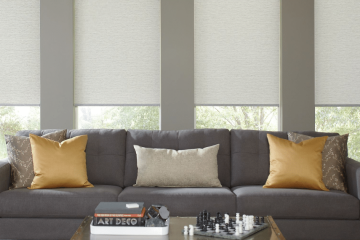
The biggest misconception is that all roller shades block light equally. They don’t. Modern roller shades fall into three main categories:
- Solar Shades filter UV rays and reduce glare but are not designed to black out a room. They’re rated by openness factor, typically ranging from 1% to 14%. A 1% openness means very little light passes through. A 14% openness lets in significantly more. Solar shades are ideal for maintaining a view while cutting heat and UV damage, which is a top priority for many Fort Worth homeowners dealing with scorching summer afternoons.
- Light Filtering Shades soften natural light without eliminating it. They create a warm, diffused glow and offer daytime privacy but don’t fully block light.
- Blackout Shades use a dense, opaque fabric or a blackout liner to block nearly all incoming light. These are best for bedrooms, media rooms, or nurseries.
Understanding which type you’re buying is step one. Many shades are marketed vaguely, so always ask for the specific fabric specs or openness percentage before purchasing.
For a closer look at how each shade type can transform a living space, check out Modern Roller Shades That Improve Home Style and Comfort to see how the right choice goes beyond just blocking light.
2. The Openness Factor Explained Simply
Think of openness factor like the holes in a screen door. A higher percentage means more holes, more light, more visibility both in and out. A lower percentage means tighter weave, less light, more privacy.
Here’s a simple breakdown:
- 1% openness: Near-blackout during the day, maximum UV protection, minimal view
- 3% openness: Good UV blocking, reduced glare, partial view
- 5% openness: Balanced light control and outward visibility
- 10-14% openness: Maximum view, minimal light reduction
For rooms facing west or southwest in Fort Worth, a 1% to 3% solar shade or a true blackout option tends to perform best. The afternoon heat gain through windows is real, and the right shade fabric can cut solar heat significantly while protecting furniture and flooring from UV fading.
Wondering which openness level works best for different spaces in your home? Read Are Modern Roller Shades Good for Any Room? for a room-by-room breakdown that makes the decision much easier.
3. Why Light Still Leaks Around Roller Shades
Even a high-quality blackout roller shade can fail to fully block light because of gaps around the edges. This is called light gap or light bleed, and it’s one of the most frustrating issues homeowners run into after installation.
Common causes of light leaking:
- Inside mount installation: When a shade is mounted inside the window frame, there is naturally a small gap on each side. Light travels around the edges, not through the fabric.
- Roller tube gaps: The fabric wraps around a tube at the top, and that gap above the fabric lets in a strip of light.
- Improper sizing: A shade that’s even half an inch too narrow allows a visible column of light to enter.
- Shallow window frames: In Fort Worth homes, particularly older builds or newer constructions with thinner window profiles, there may not be enough depth for a proper inside mount.
How to minimize light gaps:
- Choose an outside mount installation, where the shade is mounted above and beyond the window frame. This overlaps the frame and blocks side light.
- Look for side channels or cassette-style roller shades that enclose the fabric on the sides.
- Make sure the shade width extends at least 2 to 3 inches beyond the window frame on each side.
Tip: Before purchasing, take exact measurements and consult a professional installer. Measurement errors are the number one reason shades underperform.
If fixing light gaps has you questioning whether roller shades are even worth the investment, What Makes Modern Roller Shades Worth Installing? covers exactly why the right setup still delivers long-term value for Fort Worth homeowners.
4. Solar Screens vs. Roller Shades: Know the Difference
This is where a lot of homeowners get confused, especially when searching for window treatments in Fort Worth.
- Roller shades are interior window treatments. They roll up and down from inside the home. They’re convenient and decorative but only block light from inside.
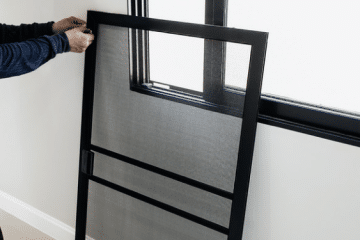
- Solar screens are exterior window screens installed on the outside of the window. They intercept sunlight before it even hits the glass, which means they block heat more effectively than interior shades. A quality exterior solar screen can block up to 90% of solar heat gain before it enters the home.
For Fort Worth’s climate, which regularly sees summer temperatures above 100°F, exterior solar screens paired with interior roller shades create a two-layer defense against heat and UV exposure. Many local homeowners discover that their roller shades alone aren’t enough during peak summer months and add exterior solar screens as a follow-up solution.
Key differences:
| Feature | Roller Shades | Solar Screens |
| Location | Interior | Exterior |
| Heat blocking | Moderate | High |
| UV protection | Moderate to high | Very high |
| Privacy | Yes | Daytime only |
| View preservation | Depends on fabric | Yes (with low openness) |
5. Fabric Material and Coating Matter More Than You Think
Not all roller shade fabrics are equal, even within the same category. The material and coating of the fabric directly affect how well it performs.
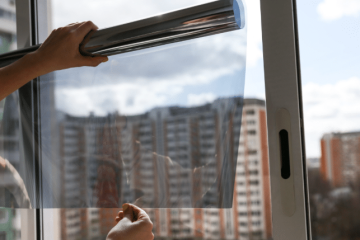
- PVC-coated polyester is the most common material for solar shades. It’s durable, cleanable, and holds up in high-heat environments like Texas summers. Look for fabrics with a reflective or metalized backing, which bounces radiant heat away rather than absorbing it.
- Acrylic-coated fabrics tend to be more fade-resistant, which is important in Fort Worth where sun exposure is intense year-round.
- Blackout fabrics typically have a foam or vinyl inner layer sandwiched between face and back layers. The quality of that inner layer determines how completely light is blocked and how long the shade lasts before the layers separate or yellow.
What to check before buying:
- Ask for the fabric’s UV blocking percentage, not just the openness factor
- Check whether the backing is reflective or absorbent
- Confirm whether the fabric is rated for high-heat environments
- Look for fabrics with a manufacturer warranty of at least 5 years
6. Room Orientation Affects How Much Light Control You Actually Need
In Fort Worth, the direction your windows face plays a huge role in what shade type you need.
- South-facing windows receive consistent sunlight throughout the day, especially in winter. A 3% to 5% solar shade usually provides enough comfort without making the room feel closed off.
- West-facing windows take the hardest hit. Afternoon sun in Texas can be brutal, and the low angle of the sun makes glare control especially difficult. This is where 1% solar shades, blackout options, or exterior solar screens become necessary, not optional.
- East-facing windows get strong morning sun. Light filtering shades often work fine unless the room is a bedroom, in which case blackout fabric is worth considering.
- North-facing windows receive the least direct sunlight and usually need the least aggressive light blocking.
A professional window treatment specialist in Fort Worth will often assess window orientation before recommending a product. This is a sign of real expertise, not just a sales pitch.
7. Signs Your Current Roller Shades Are Underperforming
If any of these sound familiar, the shades may not be doing the job:
- Rooms feel noticeably hotter in the afternoon even with the shades down
- Furniture, floors, or artwork near windows is visibly fading
- Glare makes television or computer screens hard to see even with shades closed
- Visible light strips appear along the sides or top of the shade
- Energy bills are higher than expected during summer months
These aren’t just comfort issues. UV exposure and solar heat gain have real costs in terms of damaged belongings and higher air conditioning bills. Fort Worth homeowners often see meaningful reductions in cooling costs after upgrading to properly specified solar shades or adding exterior solar screens.
8. Tips Before Replacing or Upgrading Roller Shades
Before spending money on new shades, run through this quick checklist:
- Identify the real problem. Is it heat, glare, light bleed, privacy, or all of the above? Each issue may have a different best solution.
- Measure accurately. Width and height should be measured at multiple points since windows aren’t always perfectly square.
- Ask about mounting options. Outside mount is almost always better for light control than inside mount.
- Request fabric samples. Hold them up to a window in your home before committing, especially for solar shades where openness percentage can feel very different depending on ambient light.
- Consider professional installation. Average installation costs are reasonable and prevent the measurement and mounting errors that are the most common causes of shade failure.
- Ask specifically about solar screens as a complement. An exterior solar screen combined with a basic interior roller shade often outperforms a high-end interior shade used alone.

Getting Roller Shades Right in Fort Worth’s Climate
Modern roller shades can do an impressive job of controlling light, but only when the right product is matched to the right window and installed correctly. The Fort Worth climate demands more from window treatments than most parts of the country. Between the intense afternoon sun, high UV index, and long summers, choosing based on aesthetics alone leads to disappointment.
The most effective approach is to treat light control as a system: exterior solar screens to intercept heat before it enters, and well-specified interior roller shades to manage privacy, glare, and aesthetics from the inside. Regular window washing also plays a role since dirt and buildup on the glass can affect how light interacts with the shades and reduce overall performance over time.
When in doubt, consult a local solar screen and window treatment professional who knows the specific demands of North Texas windows.
Ready to Find the Right Fit for Your Windows?
Atlas Solar-Tex specializes in solar screen solutions built for the Texas heat. From product recommendations to precise installation, the team knows exactly what Fort Worth windows need year-round. Contact us today or give us a call to schedule a free consultation.
Frequently Asked Questions
What is a good openness factor for Fort Worth homes?
For west-facing windows with heavy afternoon sun, 1% to 3% openness is recommended. For rooms where view preservation matters more, 5% is a solid middle ground. For more privacy window treatment tips, visit Family Handyman.
Why is light still coming through my roller shades?
Light bleed around the edges is the most common cause. It's typically a mounting or sizing issue, not a fabric defect. An outside mount with wider coverage usually solves it.
Are solar screens better than roller shades for blocking heat?
For heat reduction specifically, exterior solar screens outperform interior roller shades because they stop solar heat before it passes through the glass. The two work best together.
Can roller shades reduce my energy bills?
Yes. Properly specified solar shades or blackout shades reduce solar heat gain, which lowers the load on air conditioning. The impact is most noticeable in rooms with west-facing windows.
How long do roller shade fabrics last in Texas heat?
Quality PVC-coated or acrylic fabrics rated for high-heat environments typically last 7 to 10 years or more. Cheaper fabrics can yellow, stiffen, or delaminate faster in Fort Worth's climate.
What is the difference between light filtering and blackout roller shades?
Light filtering shades soften natural light and provide daytime privacy but don't block light fully. Blackout shades use opaque or multi-layer fabric to eliminate nearly all incoming light.
Should roller shades be inside or outside mount for better light control?
Outside mount almost always provides better light control. It extends beyond the window frame, eliminating the side gaps that let light bleed through with inside mount installations.
Do roller shades protect furniture from UV fading?
Solar shades with a low openness factor (1% to 3%) and a UV-blocking fabric coating can block 90% or more of UV rays, significantly slowing fading on furniture, flooring, and artwork.
Do Fort Worth homeowners need different shades than other parts of the country?
Yes. The combination of intense direct sunlight, high UV index, and extreme summer heat means Fort Worth homes benefit from lower openness factors, reflective backings, and often exterior solar screens as a complement to interior shades.