If you live in Fort Worth, you already understand how powerful the Texas sun can be. By mid-afternoon, west-facing rooms often feel noticeably warmer, hardwood floors begin to fade, and furniture feels warm to the touch. Your air conditioner runs longer than expected just to keep up with the heat. That is often when homeowners start researching solar screens to get a clearer understanding of the investment required for properly fitted exterior shading that can hold up to Fort Worth’s sun exposure.
The answer depends on several important factors, including window size, shade density, installation access, frame condition, and your home’s overall layout. In Fort Worth’s climate, these details matter because the goal is not just improving appearance, but reducing heat, minimizing glare, and improving long-term comfort. This guide explains the average solar screen cost in Fort Worth, what affects pricing, what to inspect before installing, and how to avoid common mistakes that can increase expenses later.
Average Solar Screen Cost in Fort Worth
In the Fort Worth area, the cost of solar screens depends on several factors unique to each home. Standard-sized, ground-level windows are typically more straightforward to measure and install, while larger or harder-to-access windows may require additional time and customization.
The total project cost is influenced by how many windows need coverage, the type of shading material selected, and whether any windows are located on upper levels. Homes with oversized picture windows or second-story installations often require more detailed measuring and installation planning.
It is important to understand that pricing is not one-size-fits-all. The final cost is based on your specific window dimensions, shade density preferences, frame condition, and overall layout of the home.
If you are unsure whether your home is showing signs that solar screens are needed, read Signs It’s Time to Install Solar Screens.
Window Size and Layout Have the Biggest Impact
The most significant factor in pricing is window size.
Standard rectangular windows are straightforward to measure and fabricate. Larger windows require more mesh material and stronger framing to maintain tension.
Custom shapes such as:
- Arched windows
- Oversized living room panels
- Bay and bow windows
In many Fort Worth homes, large west-facing windows are installed to maximize natural light. Unfortunately, these also collect the most afternoon heat.
Before requesting an estimate, walk through your home and:
- Count the windows that receive direct sun
- Identify oversized or custom shapes
- Note any second-story locations
This preparation allows you to receive a more accurate average cost estimate and prevents unexpected adjustments later.
Shade Density and Material Selection
Solar screens are made from durable woven mesh designed to block solar heat before it reaches your window glass. The density of that weave determines how much sunlight and heat is filtered.
Common shading levels include:
- Lighter filtering for softer glare control
- Mid-range filtering for balanced heat reduction
- High-density filtering for maximum sun control
In Fort Worth, many homeowners choose mid- to high-density shading for west- and south-facing windows due to strong afternoon exposure.
Higher-density mesh may slightly increase the average cost per window. However, in extreme heat conditions, the comfort improvement can be significant.
If you would like a detailed explanation of how solar screen mesh works, read What Are Solar Screens and How Do They Work? for a deeper breakdown of materials and performance factors.
Frame Construction and Fit
Solar screens are custom-built to match your window openings. The aluminum frame must fit tightly to prevent gaps that allow sunlight to pass through.
Frame thickness, mounting style, and color matching can affect cost.
Homes in Fort Worth with older wood trim require careful measurement. Wood expansion and settling can create slight variations in window openings.
Before installation, inspect:
- Window trim stability
- Seal condition
- Frame depth
Solar screens should enhance your window system, not cover existing damage.
Improper fit leads to:
- Reduced efficiency
- Wind rattling
- Shortened screen lifespan
Experienced installers measure each opening individually to ensure long-term durability.
First Floor vs Second Story Installation
Installation access matters.
- Ground-level windows are quicker to install and generally fall toward the lower end of the average cost range.
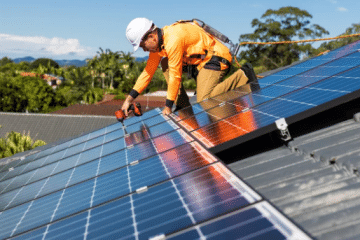
- Second-story windows require ladders and additional safety measures. In Fort Worth neighborhoods with two-story homes, this often increases labor time.
Attempting to install upper-level screens without proper tools can damage window trim or lead to personal injury. Professional installation ensures safe mounting and proper alignment.
Fort Worth Climate and Performance Value
Fort Worth experiences long periods of direct sunlight, especially from late spring through early fall. West-facing windows can absorb intense heat during afternoon hours.
Solar screens reduce solar heat gain before it enters the home. This often results in:
- Cooler interior surfaces
- More balanced room temperatures
- Reduced glare on televisions and computer screens
- Slower fading of floors and furniture
If you are evaluating comfort improvements rather than just price, read What Are the Reasons Solar Screens Improve Home Comfort? to better understand the practical benefits.
In climates like Fort Worth, the performance factor often matters more than the price alone.

Choosing the Right Windows to Cover
Not every window needs coverage.
Walk through your home during peak afternoon heat. Notice which rooms feel uncomfortable.
Common priority areas include:
- West-facing bedrooms
- South-facing living spaces
- Home offices with glare issues
Selective installation helps control total cost while targeting the most affected areas.
Energy Efficiency and HVAC Relief
Solar screens reduce radiant heat before it reaches your window glass. While they do not replace insulation, they reduce strain on your cooling system.
Homes with:
- Older single-pane windows
- Limited exterior shade
- Large glass panels
Before installing, check:
- Window seal condition
- Glass clarity
- Frame stability
Screens should complement a healthy window system.
The U.S. Department of Energy explains that exterior window attachments can significantly reduce solar heat gain, lowering cooling demand during peak summer conditions.
Maintenance and Lifespan Expectations
Quality solar screens can last a decade or longer with proper care.
Maintenance includes:
- Light rinsing with water
- Removing debris buildup
- Inspecting mounting clips annually
Avoid pressure washing directly onto mesh. Strong force can weaken the weave.
Fort Worth windstorms can test screen stability. Annual inspection prevents small issues from becoming costly replacements.
Family Handyman recommends routine inspection and gentle cleaning of exterior screens to preserve mesh integrity and extend service life in high-exposure environments.
Installation Quality Determines Long-Term Value
Precise measuring and correct mounting are essential.
Poor installation can cause:
- Bowing frames
- Visible gaps
- Noise during the wind
- Reduced heat reduction
Choosing a qualified installer protects your investment.
While average cost matters, proper installation ensures performance in Fort Worth’s demanding climate.

Making a Smart Solar Screen Decision in Fort Worth
Understanding solar screen cost requires looking beyond the price per window. Window size, shading material, access, and climate all influence value. In Fort Worth, where afternoon heat can significantly affect indoor comfort, well-fitted solar screens provide practical sun control without major renovations.
If you would like a professional assessment of your windows and sun exposure, Atlas Solar-Tex can evaluate your home, recommend the appropriate shade density, and provide a clear estimate tailored to your layout. Contact us or give us a call today to schedule a consultation and see which windows would benefit most from solar screen installation.
Frequently Asked Questions
Can solar screens reduce cooling bills?
They help reduce solar heat entering through windows, which can lower air conditioning strain. Many homeowners notice more stable interior temperatures. Actual savings depend on window exposure and home insulation.
Are solar screens better than window tint?
Solar screens block heat before it reaches the glass, while tint works from the inside. Exterior protection typically stops more radiant heat. Both solutions serve different purposes depending on the home. In very hot climates, exterior shading often provides stronger overall heat control.
Do solar screens block natural light?
They reduce glare while allowing filtered daylight into rooms. Most homeowners describe the lighting as softer rather than dark. Proper shade density selection prevents rooms from feeling too dim. Choosing the right mesh percentage helps maintain visibility while improving comfort.
Will solar screens affect curb appeal?
Modern solar screens are available in multiple frame colors. When matched properly, they blend with exterior trim. Many homeowners find that they improve the home’s uniform appearance. Selecting a frame color that matches the window trim creates a clean and consistent exterior look.
How long do solar screens last?
With proper maintenance, solar screens can last ten to fifteen years. Longevity depends on exposure to weather and installation quality. Routine inspection helps extend lifespan. Screens that are properly fitted and secured tend to withstand Fort Worth wind and heat more effectively.
Can solar screens be removed seasonally?
Yes, most systems are designed to be removable. Removing them carefully prevents frame damage. Seasonal removal may be helpful for cleaning or special lighting preferences. Proper storage during removal helps preserve the mesh and frame integrity.
Do solar screens work with double-pane windows?
Yes, they are compatible with most residential window types. They add exterior heat control without altering the glass. Proper fitting ensures optimal performance. They can complement energy-efficient windows by adding another layer of sun protection.
Are solar screens difficult to maintain?
Maintenance is simple and typically requires light rinsing. Avoid harsh chemicals or high-pressure washing. Annual inspection ensures clips remain secure. Keeping debris cleared from the mesh helps maintain airflow and performance.
When is the best time to install solar screens in Fort Worth?
Spring is popular before peak heat begins. Installation can occur year-round, depending on availability. Planning ahead avoids delays during busy summer months. Installing before the hottest part of summer allows homeowners to experience immediate comfort improvements.