Choosing the right solar screen for your windows can feel overwhelming, especially with the numerous fabric types, colors, and styles available. For homeowners in Fort Worth, the decision often comes down to striking a balance between blocking heat, allowing natural light, and complementing the home’s aesthetic.
Solar screens aren’t a one-size-fits-all solution; what works for a shaded window may not be the best option for a sun-facing room. That’s why it’s essential to understand the various levels of shading, frame designs, and fabric densities before making a decision. The right screen can reduce energy bills, protect your furniture from harmful UV rays, and make your living spaces more comfortable throughout the year.
In this post, we’ll walk you through the simple steps to choosing a solar screen that not only fits your budget but also delivers the performance your Fort Worth home truly needs.
Understanding Solar Screen for Windows
Before deciding on the right option, it helps to answer a simple question: What is a solar screen for windows? A solar screen is a specially designed fabric screen that attaches to the exterior of your windows. The screen prevents the heat and UV rays from entering your home. By blocking harmful UV rays at the source, solar screens protect furniture, flooring, and your overall living space.
Solar screens also help make your home more energy efficient. They reduce indoor temperatures, lower energy bills, and keep your home comfortable during the hottest months in Fort Worth. For a deeper understanding of how these screens work, explore our guide: What is Solar Screen for Windows: Strategies for Beginners.
Choosing Between Lighter Colors and Darker Colors
The fabric color is an important factor when choosing solar window screens. Different colors provide different results depending on your needs.
- Lighter colors: These allow more sunlight into your home, giving you brighter rooms. They also provide good UV protection, but may not reduce as much heat as darker screens.
- Darker colors: These are better at blocking heat and reducing glare, making them ideal for sun-facing windows. They give a clearer view outside but darken the interior slightly.
How Solar Screen Fabric Works
The solar screen fabric is made with tightly woven material designed to reduce glare, filter light, and block UV rays. The solar screens are better at blocking heat and light when they are woven tightly. Fort Worth homeowners with rooms that face direct sunlight often choose darker, denser fabrics to maximize heat and UV rays protection.
Comparing Solar Screens Cost and Long-Term Value
Many homeowners wonder about the cost of solar screens compared to other options. Prices can vary based on size, fabric density, frame material, and customization. Solar screens may have higher upfront costs when compared to curtains or blinds, but their long-term benefits make them better investments.
Factors that affect cost include:
- Window size and shape
- Type of fabric chosen (lighter or darker colors)
- Frame materials used
- Professional installation vs DIY
Although installing solar screens requires an initial expense, they provide years of energy-efficient benefits, lowering cooling costs and reducing the need for frequent window covering replacements. If you want to learn more about energy efficiency in homes, please visit the US Department of Energy.
For further comparison, see our guide: Solar Screens vs Window Tint: Which One Is Better for Your Home?
Finding a Residential Solar Screen Installer Near Me
Searching for a residential solar screen installer near you ensures you work with someone who understands the Fort Worth climate. Local professionals can recommend the right fabric density, frame style, and screen placement to maximize comfort and energy efficiency.
Installing Solar Screens: What to Expect
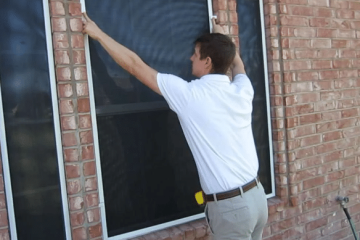
Professional installation typically includes measuring your windows, building frames, and mounting screens securely. Installing solar screens doesn’t take long, and most homes can be completed in a day. The results are immediate — less glare, lower indoor temperatures, and improved comfort.
Why Local Experience Matters
Fort Worth’s strong sunlight makes it important to choose the right combination of solar screens for each side of your home. An experienced local installer knows how to handle sun-facing rooms differently from shaded areas, giving you the best balance of comfort and energy savings.

Matching Solar Screens to Your Living Space
Not all windows require the same type of solar screen. Think about how much sun exposure each room receives, what you use that room for, and how much natural light you want.
Tips for matching screens to your home:
- Bedrooms may benefit from darker colors for better blocking of heat and glare.
- Living rooms often work best with lighter colors that allow more natural light while still providing UV protection.
- Large windows facing west should use tighter weave fabrics for maximum heat reduction.
- Decorative frames and colored solar screens can enhance curb appeal as part of your home improvements.
For real-world results on performance, review our guide on whether solar screens really work and their benefits. If you want to find out more, read our post on The Real Benefits of Solar Screens for Windows.
Finding the right solar screen for your windows means choosing a solution that meets your home’s specific needs, from blocking heat and harmful UV rays to allowing the ideal amount of natural light. The right choice can transform your living space, improve energy efficiency, and even add curb appeal to your Fort Worth home.
If you’re looking for expert guidance and a professional installation you can trust, the team at Atlas Solar Tex is here to help. Our team will guide you and ensure you make the right choices.
Call us today for more information or message us for a free quote and discover how the right solar screen can make your home more comfortable year-round.
Frequently Asked Questions
What type of fabric works best for solar screens?
High-quality solar screen fabric with a tighter weave blocks more heat and UV rays, making it ideal for sun-facing windows.
How much do solar screens cost?
Costs vary based on window size, fabric density, and installation, but most homeowners see long-term energy savings that offset the initial expense.
Do solar screens make my rooms too dark?
Not necessarily. You can choose lighter colors or lower-density fabrics if you want to keep your rooms brighter while still reducing heat.
Can solar screens block harmful UV rays?
Yes, solar screens provide UV protection that helps prevent fading and damage to furniture, flooring, and curtains.
Should I hire a residential solar screen installer near me?
Yes. A local installer understands your climate and can recommend the best density, color, and placement for maximum comfort and efficiency.
Is installing solar screens a quick process?
Yes. Professional installation usually takes just a few hours, and most homes can be completed in a single day.
Do all windows in my home need the same type of screen?
Not always. Bedrooms might benefit from darker fabrics for less glare, while living areas may work better with lighter options.
Can solar screens be customized for odd-shaped windows?
Yes. Custom solar screens can be made to fit almost any size or shape of window, giving you flexibility and full coverage.
How do I know which solar screen is right for my home?
Think about your goals — blocking heat, saving energy, or allowing more natural light. A professional can help you balance these needs with the right product.
Atlas Solar-Tex
6817 Sundance Cir W. Joshua, TX 76058
+18174473500