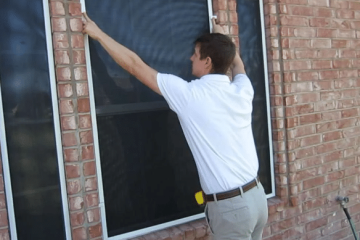
For homeowners focused on lowering energy bills and improving comfort, a solar screen installation checklist offers the clarity needed for success. Solar screens reduce heat, minimize glare, and shield your home from harmful UV rays. This guide covers everything from prep work to upkeep for a successful installation process.

By following this checklist, you gain more than just energy savings. It also boosts privacy, extends screen life, and enhances your home’s overall comfort. Whether you handle it yourself or work with a professional, this guide equips you with the information needed to avoid common issues and achieve long-lasting results. Start your installation with clarity and move forward using trusted, expert advice.
Understanding the Benefits of Installing Solar Screens
Installing solar screens is a smart way to keep your home cooler while reducing your energy bills. These energy-saving screens help block heat from entering your windows, which means your air conditioner does not have to work as hard, especially during the long, hot summer months.
A standout benefit of UV protection screens is how they enhance privacy while still allowing light to enter your space. You can still see out, but people outside can’t see in easily. These privacy window screens also come in various styles and shades, allowing you to select a look that perfectly suits your home.
Choosing eco-friendly window solutions like solar screens can also lower your environmental impact and contribute to energy savings. You will use less electricity and help the environment without giving up comfort. With added shade, privacy, and style, solar screens are quickly becoming a top pick for energy-conscious homeowners.
Preparing for Your Solar Screen Installation
Preparing your home before installing solar screens makes the entire process easier. These simple steps help you avoid delays and ensure a perfect fit every time.
1. Measure Each Window Carefully
Use a steel tape to measure the width and height of each window. Accurate sizing prevents gaps and ensures your solar shade installation functions as intended.
2. Choose DIY or Professional Installation
DIY solar screen preparation can save money, but it needs patience. Professional services offer a clean fit, faster results, and often include a warranty.
3. Gather All Tools and Materials
Make sure all your tools and screen materials are prepared and within reach before you begin. This helps avoid mid-project delays and keeps your window screen installation running smoothly.
4. Clear the Window Work Areas
Move furniture, plants, or blinds away from windows. A clear space makes solar screen installation quicker and safer, whether you do it or hire help.
The Essential Solar Screen Installation Checklist
Getting your solar screens installed correctly starts with thorough planning. This solar screen installation checklist makes sure you don’t miss a single step.
1. Measure Windows
Take precise measurements for every window. This ensures your window screen installation fits perfectly, preventing heat, glare, and UV rays from slipping through.
2. Select Screen Material
Pick screen fabric based on your needs for sunlight control, privacy, and color. UV protection screens are available in various densities and shades.
3. Purchase Tools and Materials
Purchase all the necessary items mentioned in the tools section before getting started. Having everything on hand keeps your DIY solar screen project running without delays.
4. Decide on Installation Method
Think about your time, budget, and skill level. Decide whether to install solar shades yourself or hire a professional to ensure a polished, reliable result.
5. Prepare Windows
Clean each window frame and check for damage. Dirt or rough edges can affect how your solar screens sit and stay in place.
6. Install Mounting Hardware
Use the instructions that come with your hardware. Following them helps your solar shade installation stay strong and last through tough weather.
7. Attach Solar Screens

Line up each screen with care. Fasten it tightly to avoid loose edges that could flap in the wind or reduce sun coverage.
8. Inspect Installation
Look for any loose fittings, sagging corners, or gaps. A quick check ensures your window screen installation works and looks great.
9. Test Functionality
Ensure screens stay secure and do not obstruct window use. A solid solar screen setup protects your home without changing daily routines.
Using this checklist will help you stay organized and reduce the risk of overlooking important steps. Proper installation is crucial for achieving optimal performance and long-lasting durability from your solar screens.
Tools and Materials Needed for Solar Screen Installation
Using the correct tools and materials is crucial for a smooth and effective solar screen installation. Here’s a list of what you’ll need to get started:
Tools
- Measuring Tape: For accurate measurements.
- Screwdriver or Drill: Choose based on the specific screws required for your installation.
- Utility Knife: To trim any excess screen material.
- Level: To ensure the screens are installed straight.
Materials
- Solar Screen Fabric: Choose based on the desired level of visibility and UV protection.
- Frame Kit: Includes the frame pieces for assembling the screen.
- Spline Roller: Helps press the screen fabric firmly into the frame groove for a tight and secure fit.
- Mounting Hardware: Screws or clips for attaching the screens to the window frame.
Having these items ready before starting the installation will save time and ensure you have everything you need to complete the job efficiently.
Step-by-Step Guide to Installing Solar Screens

Installing solar screens is easier when you have a clear guide. Follow these simple steps to ensure a smooth and stress-free solar window screen installation.
Step 1: Measure and Cut
Carefully measure the window frame, then cut the screen and frame components to fit. Accurate measurements and cuts are key for a smooth DIY solar screen installation.
Step 2: Assemble the Frame
Put the frame pieces together using your kit. Ensure all corners are tight and square to create a solid base that securely holds the screen.
Step 3: Attach the Screen
Place the screen fabric over the frame and use a spline roller to press the spline securely into the groove. This keeps the UV protection screen tight and flat.
Step 4: Install the Screen
Hold the frame over the window and use mounting clips or screws to secure it in place. A level helps you get a clean, straight finish.
Following these steps will help ensure your solar screens are installed correctly, offering optimal performance and longevity.
Common Mistakes to Avoid During Installation
Installing solar screens is relatively easy, but even small errors can significantly impact performance. Avoid these mistakes for better results and longer-lasting protection.
- Incorrect Measurements: Always measure twice to avoid poor solar screen fitting and prevent gaps around the frame.
- Improper Frame Assembly: Tight, square corners help avoid weak frames and future screen frame setup problems.
- Overstretching the Fabric: Pull fabric snug, not tight, to avoid UV screen warping, tearing, or wrinkles.
- Skipping the Level Check: Use a level to ensure straight screen placement and avoid crooked, uneven installations.
- Neglecting Maintenance: Regularly clean screens and inspect hardware to extend the performance and lifespan of your solar shade and screens.
Avoiding these common mistakes helps ensure your solar screen installation looks clean and functions properly. Good prep and care lead to longer-lasting comfort and energy savings.
Maintenance Tips for the Longevity of Solar Screens
Proper maintenance is crucial for extending the lifespan of your solar screens. Follow these tips to help maintain them in great shape:
1. Regular Cleaning
Gently clean your screens with soap and water. Skip harsh cleaners to avoid damaging your UV screen material or reducing its effectiveness.
2. Inspect for Damage
Check regularly for loose edges, torn mesh, or hardware issues. Quick fixes keep your solar screen protection working like new.
3. Seasonal Care
During storms or freezing temperatures, remove and store your screens. This simple solar shade care step helps them last longer.
By following these maintenance tips, you can keep your solar screens looking and performing like new for years to come.
Professional vs. DIY Solar Screen Installation: What to Consider
Choosing between DIY solar screen installation and hiring a professional depends on your budget, time, and comfort with tools. This quick comparison breaks down what each option offers.
| Option | Pros | Cons |
| DIY Installation | Cost-saving, satisfying to complete yourself. | Takes time, requires tools, and basic handy skills. |
| Professional Installation | Fast, clean, includes warranty for peace of mind. | Costs more upfront than doing it yourself. |
Both methods work well for installing solar screens, depending on your situation. Focus on what matters most, such as cost, time, or quality, and choose the option that best suits your needs.
Frequently Asked Questions
How do I select the right screen material and density?
Select a screen material based on the amount of sunlight and heat you want to block. Most homeowners pick 80% or 90% solar screen fabric for strong UV protection and better energy savings.
What mounting hardware is best for solar screens?
Use screen clips, screws, or turn buttons made for outdoor use to hold the screens firmly in place. Always follow the manufacturer’s instructions to make sure your solar screen installation is secure and long-lasting.
Do solar screens offer privacy during the day?
Yes, privacy window screens help block outside views during the day while allowing you to see out without losing natural light or visibility. At night, this effect reverses if indoor lights are on.
How do I inspect screens for damage or wear?
Look for tears, sagging fabric, or loose frames during regular cleaning or seasonal checks. Catching damage early helps extend your UV screen’s lifespan and keeps it working properly.
Can solar screens protect furniture from UV damage?
Yes, solar screens can block as much as 90% of harmful UV rays, helping protect your floors, furniture, and curtains from fading over time. They act as a simple layer of UV protection for your home’s interior.
Conclusion
Now that your solar screens are installed, you can enjoy lower energy bills, added privacy, and better comfort all year. By following this solar screen installation checklist, you’ve taken the right steps for a successful setup that will protect your home from heat and UV damage.
To keep these benefits going, be sure to clean and inspect your screens regularly. Simple maintenance helps them last longer and work better. Whether you tackled it yourself or hired a professional, you’ve made a smart upgrade for your home’s comfort, looks, and energy efficiency.
If you need expert help, Atlas Solar-Tex proudly offers trusted solar screen services in Fort Worth, TX. We’re here to guide you every step of the way, from planning to installation. Reach out today and enjoy a cooler, more private home that works for you.
End Note
Looking for expert help beyond just a checklist? Atlas Solar-Tex provides professional solar screen installation and maintenance services throughout Texas. Explore our full solar screen services along with roller shades and window washing to keep your home comfortable, efficient, and protected all year long.
Visit our full list of services or check our service areas to see if we’re in your neighborhood. Discover more About Us, explore helpful tips on our blog, and stay connected through our Facebook page for the latest updates, photos, and customer stories.
Ready to take the next step? Get in touch with us today through the Contact Us section or request a free quote to start your solar screen installation project. Atlas Solar-Tex is here to bring shade, savings, and style to your home with top-rated service and custom-fit solutions.