Solar screens can feel like a simple upgrade, but most homeowners in Fort Worth, TX, want the same clear answer before they commit: how long will they last, and what makes them wear out faster? That is a smart question because solar screens sit outside, take direct sun, face wind and dust, and deal with seasonal weather changes. The good news is that quality screens installed correctly can hold up well over time, especially when they are built to fit and cared for properly.
This guide explains what “lifespan” really means for solar screens, the biggest things that affect durability, the early signs of wear to watch for, and how solar services from a reliable solar screen company help you get the longest possible life from your screens.
What Is the Typical Lifespan of Solar Screens?
Lifespan depends on materials, exposure, and how the screens are built and installed. Instead of thinking in exact years, it helps to think in “lifespan drivers,” because two homes in the same neighborhood can have very different results.
Here are the main themes that shape lifespan:
- Screen mesh quality matters
- Frame strength affects longevity
- Exposure levels change with wear
- Installation stability matters
- Cleaning habits affect appearance
- Storm impacts can shorten life
A home with heavy afternoon sun on one side and stronger wind exposure may see screens age faster than the shaded side of the same home.
If you want the full overview of what solar services include for comfort planning and installation, read What Do Solar Services Include for Home Comfort?
Lifespan Is Not Just “Does It Still Hang There?”
Many homeowners think “lasting” means the screen is still attached. But lifespan is really about whether it still performs and still looks clean.
Solar screens “last” in three main ways:
- Comfort performance stays steady
- Mesh stays intact and uniform
- Exterior appearance stays consistent
A screen can still be mounted, but lose performance if the mesh loosens, sags, or develops gaps. It can also look worn if the frame finish fades or the mesh becomes discolored.
Sun Exposure and Window Direction
Sun exposure is one of the biggest lifespan influences, especially in Fort Worth, where strong sunlight can hit the same windows day after day.
Openings that often age screens faster:
- West-facing windows take the afternoon sun
- South-facing windows get long exposure
- Large openings take heavier sunlight
- Glass doors take direct light
- Upper windows get more intensity
- Open yard sides get more exposure
This does not mean you should avoid screens on these sides. It means these sides benefit most from quality materials and a stable fit.
Screen Material and Mesh Quality
Not all solar screens are the same. Even when two products look similar online, mesh quality can differ.
Mesh quality affects:
- Resistance to fraying
- Resistance to sagging
- Consistent light filtering
- Tear resistance near edges
- Shape retention over time
- Stability during wind events
Higher-quality mesh tends to hold shape better over time, especially when it faces repeated heat and wind.
Frame Build and Corner Strength
The frame matters more than most homeowners expect. A strong frame supports a stable fit, clean exterior lines, and long-term durability.
Frame-related issues can shorten lifespan when:
- Corners loosen gradually
- Frames warp with exposure
- Frames vibrate in the wind
- Frames do not sit flush
- Edges rub against the trim
- Fasteners loosen over time
A stable frame helps the mesh stay evenly tensioned. When a frame shifts, the mesh can loosen, and performance can drop.
Fit and Installation Quality
Poor fit is one of the fastest ways to shorten screen lifespan. Even great materials can wear faster if the screen rattles, shifts, or sits unevenly.
Signs fit is helping lifespan:
- Screen sits flush and stable
- No rattling during the wind
- Even spacing at edges
- Corners remain tight
- No rubbing during movement
- Doors operate without interference
This is where solar services matter. A skilled solar screen company measures accurately and installs screens so they remain stable.
If you are still deciding whether screens will make a noticeable comfort difference, read Do Solar Screens Really Reduce Heat and Glare?
Wind, Storms, and Seasonal Weather
Fort Worth weather can be unpredictable, and storms can stress outdoor screens. High wind is a common reason screens loosen or shift.
Weather-related risks include:
- Wind vibration loosens hardware
- Storm debris dents frames
- Hail can damage the mesh
- Heavy rain increases dirt buildup
- Temperature swings stress materials
- Pollen seasons increase cleaning needs
You do not need to worry about every storm. But it is smart to check screens after heavy weather, especially on exposed sides.
Dirt, Dust, and Cleaning Habits
Solar screens sit outside, so dirt buildup is normal. Lifespan is not only about “still working,” but also about “still looking clean.”
Cleaning helps with:
- Keeping the mesh clear and uniform
- Preventing heavy edge buildup
- Maintaining consistent light filtering
- Supporting curb appeal
- Reducing pollen staining
- Extending visual lifespan
Bad cleaning habits can shorten lifespan, especially when using harsh chemicals or aggressive scrubbing that weakens the mesh.
Doors, High-Use Openings, and Daily Wear
Windows are mostly “set and forget.” Doors are not. Patio doors and entry doors get daily use, and screens on those openings face more physical wear.
High-use openings face:
- More vibration from use
- More touch points near edges
- More chances for shifting
- Greater need for stable mounting
- More risk from pets and kids
- More impact from outdoor activity
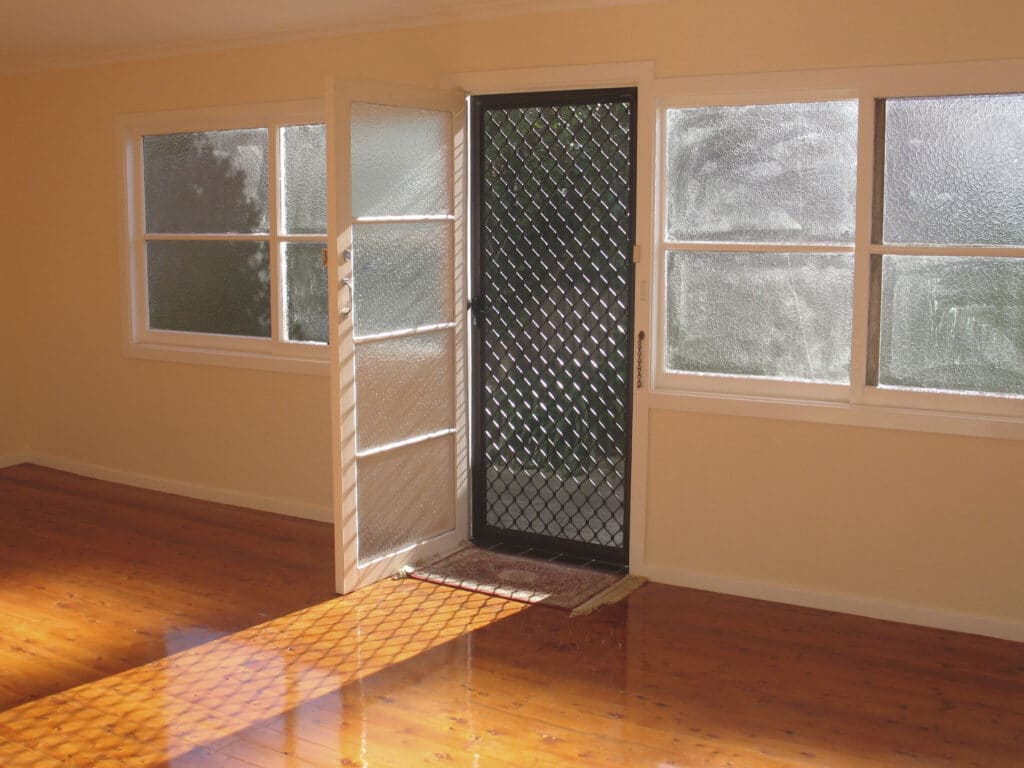
If your plan includes doors or unique openings, a custom solar screen is often the better choice for a stable, long-term fit.
For a clearer breakdown of when custom screens make the most sense, read When Should You Get a Custom Solar Screen?
Early Signs Your Solar Screens Are Wearing Out
Solar screens usually give warning signs before they fully fail. Catching wear early can help you maintain performance and keep the exterior looking consistent.
Early warning signs include:
- The mesh starts sagging slightly
- The screen looks uneven outside
- Corners look less tight
- Rattling occurs in the wind
- Frames shift or lean
- Visible gaps appear
If you notice these signs, service support can often correct the fit before the issue grows.
What “Replacement” Might Mean
Replacement does not always mean replacing everything. Sometimes only one part needs attention, especially if the frame is still solid.
Service needs may include:
- Re-tensioning loose mesh
- Re-securing loose fasteners
- Re-aligning a shifted frame
- Replacing damaged mesh panels
- Correcting corner stability issues
- Updating screens on one side
A good solar screen company can explain whether it is a simple service need or a full replacement.
How Solar Services Help Extend Lifespan
Solar services improve lifespan because they focus on fit, planning, and stability, not just selling screens.
Solar services that support longevity include:
- Precise measurements taken
- Exposure-based screen planning
- Stable frame selection
- Clean, secure installation
- Final fit and alignment check
- Care guidance after installation
This is especially helpful in Fort Worth, where one side of the home may take intense afternoon sun for long stretches.
PNNL highlights ongoing work on window attachments, including PNNL research on exterior shading systems, which reinforces why exposure-based planning is tied to better long-term performance.
Care Tips That Support Long-Term Screen Life
You do not need complicated upkeep. Simple habits make a difference.
Helpful care habits:
- Rinse dust and pollen
- Use mild soap occasionally
- Avoid harsh cleaning chemicals
- Avoid abrasive scrubbing tools
- Check frames after storms
- Schedule support if loose
If your home has heavy pollen seasons or dust exposure, a light rinse can keep screens looking clean and prevent buildup. Pair that rinse with window washing so the mesh and glass stay clear, and so buildup does not get trapped along the edges.
Want Screens That Hold Up Over Time?
If you want solar screens that stay stable, look clean, and keep reducing glare and heat year after year, the best approach is quality planning and installation. A strong screen plan focuses on the openings that take the most sun, uses stable frames, and keeps mesh tension consistent, especially on doors and high-exposure sides.
Atlas Solar-Tex supports Fort Worth, TX, homeowners with solar services built around durable screen choices, clean exterior results, and long-term stability checks. We help you prioritize the windows and doors that take the strongest sun first, then match the screen plan to exposure so comfort improvements last. After installation, we share simple care steps and can support alignment or stability concerns after storms and high-wind days, so your screens keep performing the way they should. Contact us or give us a call.
Frequently Asked Questions
Do solar screens wear out faster in Fort Worth’s heat?
Strong sun and heat can add stress over time, especially on exposed sides. That is why screen quality and stable installation matter. We can recommend a setup that matches your sun-facing windows. DOE’s overview of energy-efficient window coverings reinforces why exposure and correct selection influence summer comfort outcomes.
What is the biggest thing that shortens lifespan?
Poor fit and heavy exposure are common causes. Screens that rattle, shift, or sit unevenly wear faster. We focus on stable fit and clean alignment to support longevity.
Can solar screens be repaired instead of replaced?
Sometimes, yes. If the frame is solid and the issue is minor, a service visit may correct alignment or stability. We can review the screens and explain whether repair or replacement makes more sense.
Do solar screens fade or discolor?
They can, especially with heavy sun exposure and dirt buildup. Regular gentle cleaning helps keep screens looking uniform. We can also recommend options that hold up well visually.
Do solar screens last longer on shaded windows?
Often, yes. Less direct sun and wind exposure can reduce wear. But even shaded windows benefit from quality materials and stable installation.
How do I know if my screens are wearing out?
Watch for sagging mesh, shifting frames, rattling in the wind, or visible gaps at the edges. These signs often show up before a major failure. We can inspect and recommend the right next step.
Do solar window screens last longer than door screens?
Windows tend to face less daily movement, so they often hold up longer. Doors can experience more vibration and use, so a stable fit matters more. Custom fit can help doors hold up better over time.
Does cleaning help extend lifespan?
Yes, when done gently. Light rinsing and mild soap can reduce buildup that affects appearance. Avoid harsh chemicals and abrasive tools that can damage mesh.
What can we do to maximize lifespan?
Choose quality materials, plan for exposure, ensure stable installation, and keep up with simple cleaning. After storms, check for looseness or rattling. We can support adjustments if something shifts.