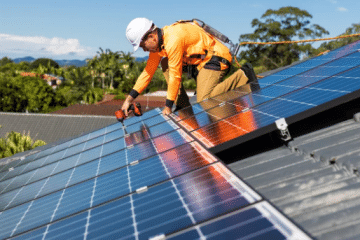
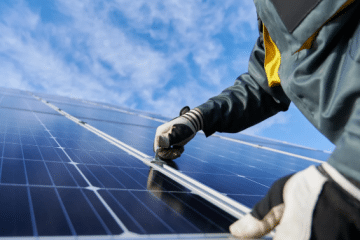
Fort Worth sun can turn bright rooms into hot spots, especially in the afternoon. The glare on TVs and computer screens can make it hard to relax or focus. Some homeowners also notice fading on floors, rugs, and furniture near sunny windows. These are everyday comfort problems, but they can add up fast during long warm seasons.
Solar services help manage sunlight before it becomes a comfort problem. In most cases, this means planning and installing solar screens that lower heat and glare while still letting you enjoy natural light. This guide explains what solar services usually include, how solar screens support comfort, when a custom solar screen is the better route, and how to choose a solar screen company in Fort Worth, TX.
What “Solar Services” Usually Mean for Fort Worth Homes
Solar services are a broad phrase, but for most homeowners, it means solutions that reduce harsh sunlight coming through windows and doors. The goal is not to block all light. The goal is to soften the sun’s impact so indoor spaces feel calmer and more usable throughout the day.
Main comfort goals often include:
- Lower indoor heat buildup
- Reduced glare on screens and TVs
- Reduced UV exposure that can fade indoor surfaces
- Better daytime privacy without making rooms feel dark
In Fort Worth, solar services often focus first on the windows that get the strongest direct sun, especially in the afternoon.
Openings that often need attention first:
- West-facing windows that take late-day sun
- South-facing windows with long exposure
- Living rooms, kitchens, and home offices with large glass areas
Solar services usually include planning, measuring, building screens to fit, installation, and simple care guidance so the screens stay secure and clean.
If you want a performance-focused breakdown before anything else, read Do Solar Screens Really Reduce Heat and Glare?
How Solar Screens Help With Heat and Glare
Solar screens are installed on the exterior side of windows and doors, so they filter sunlight before it reaches the glass. That matters because once sunlight passes through the glass, it can warm up indoor surfaces and increase glare.
Ways solar screens can support comfort:
- Reduce heat gain by lowering the sun’s impact on the window
- Reduce glare by softening harsh brightness
- Reduce UV exposure, which can speed up fading
- Improve daytime privacy from the street side
Results depend on window direction, nearby shade, the screen’s shade level, and how direct the sunlight is throughout the day.
Factors that influence results most:
- Direction of the window (west and south are often the strongest)
- Trees, patios, fences, and overhang shade
- Screen grade and openness
- How much direct afternoon sun hits the opening
The Step-by-Step Solar Service Process
A strong result usually comes from a simple but careful process. This is what solar services often include when working with a solar screen company.
Comfort needs review
We start by identifying which rooms feel the hottest or brightest and when the issue hits hardest.
Common comfort questions we cover:
- Which windows create the most glare during the day?
- Which rooms feel warmer than the rest of the home?
- Are you aiming more for glare control, heat control, privacy, or a mix?
Measuring and fit planning
Accurate measuring supports a clean finish and stable fit.
Fit goals we plan for:
- Screens sit flush and aligned
- Edges stay consistent and clean
- Screens remain stable during the wind
- Frames do not rattle during normal use
Screen and frame selection
This is where the plan becomes tailored to your home. The right screen and frame combination depends on exposure, room use, and exterior style.
What we match screens to:
- Window direction and sun intensity
- Room purpose (home office, bedroom, living room, kitchen)
- Desired daylight feel
- Exterior appearance goals
Build and installation
Screens are built to match measurements and installed to sit securely and consistently across the home.
Installation quality usually shows up in:
- Clean alignment and even spacing
- Frames that sit tight and secure
- A uniform exterior finish
- Openings that function normally without interference
Final check and care support
We confirm fit and finish, then share basic care steps so your screens stay clean and stable long-term.
What we review at the end:
- Fit along edges and corners
- Screen stability and placement
- How to clean safely
- What signs mean you should schedule support
When Custom Solar Screens Make the Most Sense
A custom solar screen is built to your exact opening size. That matters when your windows are not standard, when you want stronger frames in exposed areas, or when you want a consistent appearance across multiple sides of the home.

Common reasons homeowners choose a custom solar screen:
- Large picture windows
- Tall narrow windows
- Arched or specialty shapes
- Patio doors and high-use doors
- Homes with multiple window styles need a uniform exterior finish
Custom screens are also helpful when certain sides of the home take stronger winds or more intense afternoon sun.
Situations where custom tends to be the better match:
- West-facing windows with heavy afternoon exposure
- Open yard sides with stronger wind
- Homes with pets or high activity near windows and doors
- HOA or exterior appearance requirements
If you want a timing-focused guide on when custom is the right move, read When Should You Get a Custom Solar Screen?
Solar Window Screens vs Solar Screen: What’s the Real Difference?
In everyday use, these phrases often refer to the same product. Many homeowners say “solar screen” as the general category, while others say “solar window screens” to describe where the screens go.
A simple way to understand the terms:
- “Solar screen” is the general product category
- “Solar window screens” usually means solar screens installed on windows
What matters most is not the wording. It is the fit, shade level, frame quality, and stable installation.
To understand why some screens reduce heat more than others, it helps to know the solar heat gain coefficient (SHGC) and how it relates to shading performance.
If you want a detailed guide on lifespan and what affects it most, read How Long Do Solar Screens Last and What Affects Lifespan?
How to Select a Solar Screen Company in Fort Worth
A solar screen company should explain options clearly and help you match screens to your real comfort issues. Screens that are measured and installed carefully tend to look better and stay stable longer.
Questions worth asking before scheduling service:
- What screen options do you recommend for west-facing windows?
- How do you measure and confirm a secure fit?
- What frame options do you offer, and how do they hold up?
- How do you handle doors and high-use openings?
- What care steps should we follow after installation?
Signs of quality workmanship:
- Clear communication and simple explanations
- Consistent alignment and clean exterior finish
- Secure fit that does not rattle
- Good planning for wind-exposed sides
- Care guidance you can follow easily
If you want a simple comparison of common screen options, Angi’s guide to types of window screens breaks down how different materials and designs vary by use case.
Care, Cleaning, and Seasonal Tips
Solar screens are usually low-maintenance, but simple care helps them stay clean and stable.
Basic care steps that typically help:
- Rinse dust and pollen off with water as needed
- Use gentle soap for buildup, then rinse
- Avoid harsh chemicals that can wear finishes over time
- Coordinate screen care with window washing so both the mesh and glass stay clear and consistent
After heavy storms or high winds, it helps to do a quick check to confirm frames still sit flush.
What to watch for:
- Rattling in the wind
- Uneven edges or visible gaps
- Frames that no longer sit tight
- Areas where the fit looks shifted
Ready for a Cooler, More Comfortable Home?
If heat and glare are making parts of your home hard to enjoy, solar services can be a practical way to improve everyday comfort. With the right screen plan, you can reduce harsh sun impact, protect interior spaces, and make key rooms feel calmer during the hottest parts of the day.
Atlas Solar-Tex helps Fort Worth, TX, homeowners plan and install solar screens with careful measuring, exposure-based screen selection, and clean installation that keeps frames aligned and screens sitting stable over time. We can help you prioritize the openings that create the biggest comfort problems first, explain what to expect based on window direction and room use, and share simple care steps so your screens stay clean and secure after storms and windy weather. If you want a clear recommendation for your windows and doors, contact us or give us a call.
Frequently Asked Questions
Do solar screens block all natural light?
No. Most solar screens soften harsh brightness and reduce glare, but they still allow daylight. The amount of visible light that comes through depends on the screen shade level and how direct the sun is on that side of the home. We help match the screen to the room’s use.
Are solar window screens installed inside or outside?
Solar window screens are commonly installed on the exterior side of the window. That placement helps intercept the sun’s energy before it hits the glass. We plan installation so screens sit securely, align cleanly, and stay stable during windy weather.
Can solar screens help protect furniture and floors?
They can help. By reducing UV exposure and harsh direct sun, solar screens can slow fading on items near windows. Results vary by window direction and sun intensity, but many homeowners notice improvement over time, especially in rooms with strong afternoon sun.
What is a custom solar screen?
A custom solar screen is built to the measurements of your exact window or door opening. This is helpful for large windows, specialty shapes, and high-use doors. We use custom sizing to support a clean finish and a stable fit that holds up over time.
Do solar screens help with daytime privacy?
Often, yes. During bright daytime hours, solar screens can make it harder to see inside from the street while still allowing you to see out. Privacy results depend on lighting conditions, so we talk through what you want and what to expect for each side of the home.
How long does the solar screen process usually take?
Timing depends on how many openings you want covered and whether your home needs custom work. We typically start with measurements and screen planning, then move to building and installation. We also confirm fit and finish at the end so you know everything is set.
Will solar screens match my home’s exterior style?
In many cases, yes. Frame style and color choices help keep the home’s exterior consistent. We aim for a clean, uniform appearance, especially on front-facing windows. If an HOA has guidelines, we can plan around those requirements.
How do I know which windows need solar screens first?
Start with the windows that cause the biggest comfort issues. In Fort Worth, west-facing windows often create the strongest afternoon glare and heat. We can also prioritize rooms you use most, like living areas, kitchens, and home offices.
Do we offer help after installation?
Yes. We can share care guidance and help you understand how to keep screens clean and stable. If you notice looseness, vibration, or fit changes after weather events, we can support adjustments so the screens continue to perform as intended.