Fort Worth’s sun can feel intense, especially when it hits the same windows every afternoon. Many homeowners notice that a room can feel hotter than the rest of the house, even when the AC is running. Glare can also make it hard to watch TV, work on a computer, or enjoy natural light without squinting.
Solar screens are designed to reduce that heat and glare before it becomes a daily hassle. This guide explains what solar screens do, what “reducing heat” really means in real life, what affects results the most, and how solar services help you get screens that fit, function, and look right.
What Do Solar Screens Actually Do?
Solar screens are mounted on the outside of windows and doors, where they filter sunlight before it hits the glass. That outside placement is a big reason they can feel more effective than indoor light-control options.
Solar screens help in a few main ways:
- Reduce glare
- Reduce heat gain
- Support daytime privacy
- Reduce UV exposure
Here is what those benefits usually mean in real life:
- Reduce glare
- Softens harsh brightness so rooms feel calmer
- Makes TVs, monitors, and phones easier to see
- Helps cut the “washed out” effect on screens
- Reduce heat gain
- Lowers the amount of sunlight reaching the glass
- Helps reduce late-day hot spots in sun-facing rooms
- Supports more stable comfort in rooms with heavy exposure
- Support daytime privacy
- Makes it harder to see inside during bright daytime hours
- Still allows you to see out in most daytime conditions
- Reduce UV exposure
- Helps slow fading on floors, rugs, furniture, and artwork near windows
If you want the full big-picture breakdown of what solar services include and how the process works in Fort Worth, TX, read What Do Solar Services Include for Home Comfort?
Heat Reduction: What It Means in Real Life
When people say “solar screens reduce heat,” they usually mean something simple: the room feels less uncomfortable during the hottest times of day. It is less about turning a hot room into a cold room and more about reducing sharp heat spikes that happen when direct sun hits windows.
Here are common improvements homeowners notice:
- A room that used to feel “stuffy” in late afternoon feels more usable
- The air near the window feels less harsh
- Sun-facing rooms feel less extreme compared to shaded rooms
- Comfort holds longer during peak sunlight hours
Solar screens are often most noticeable when:
- A room has large windows and direct afternoon sun
- A home office faces the sun, and glare interferes with work
- A living room TV sits across from a bright window
- A kitchen window brings glare onto counters and floors
Heat reduction also depends on the home’s layout. A small bedroom with one window may feel a smaller change than a living room with a wide bank of glass.
Glare Reduction: What You Should Expect
Glare is often the first problem homeowners want to handle because it is immediate and obvious. Glare happens when strong sunlight hits your eyes directly or bounces off reflective surfaces.
Solar screens reduce glare by filtering the sunlight before it enters the room. Instead of harsh brightness, the room gets softer light.
Solar screens can help reduce glare that comes from:
- Direct sun pouring through the window
- Bright reflections on floors or countertops
- Washed-out TV images during the day
- Hard-to-see laptop or computer screens
What solar screens usually do not do:
- They do not make a room dark like blackout shades
- They do not eliminate every bright moment in every season
- They do not replace interior coverings if you want nighttime privacy or total darkness
Many homeowners use solar screens for daytime comfort, then use interior shades when they want stronger light blocking.
What Affects Results the Most?
The same solar screen can feel dramatic on one window and less noticeable on another. That is normal. It usually comes down to exposure and layout.
Here are the biggest factors that affect results:
- Window direction
- West-facing windows often get the strongest late-day sun
- South-facing windows can get long exposure throughout the day
- Time of day
- Some windows only get harsh sun for a short time
- Others get direct sun for hours
- Window size
- Bigger windows collect more sun energy
- Larger openings often show larger comfort improvement
- Shade around the home
- Trees, patios, fences, and overhangs reduce exposure
- A shaded window may not need the same screen plan as an exposed one
- Room use
- A home office may need stronger glare control than a guest room
- A living room with a TV may need a different approach than a hallway window
This is one reason solar services matter. Better results usually come from matching the screen plan to each opening instead of treating every window the same.
On the technical side, heat control is closely tied to window performance terms like solar heat gain coefficient (SHGC), which describes how much of the sun’s heat gets admitted through a window.
How Solar Services Help You Get Better Results
Solar services are not only about installation. They help you choose a setup that fits your home, your comfort needs, and your exterior style.
A solar screen company typically helps by:
- Identifying which openings cause the biggest heat and glare problems
- Explaining screen options in plain language
- Measuring for a stable fit and clean alignment
- Building screens that match each opening
- Installing screens so they sit securely and consistently
Good solar services reduce guesswork. Instead of hoping a screen works, you get a plan that fits your window direction, daily use, and comfort goals.
Where Solar Screens Help the Most in Fort Worth Homes
In Fort Worth, many homeowners feel the strongest discomfort during long sunny stretches, especially on the sides of the home that take late-day sun.
Solar screens are often most helpful for:
- West-facing living room windows
- Home offices with direct sun during the workday
- Bedrooms that heat up before bedtime
- Kitchens with large windows and bright glare
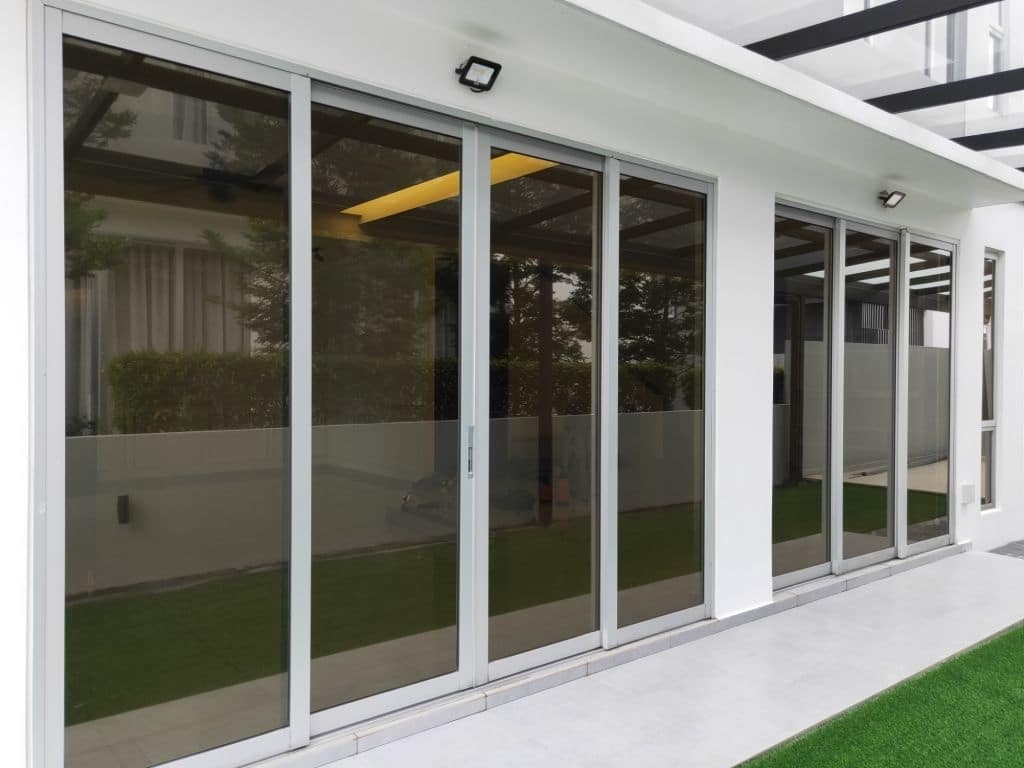
- Sliding doors and patio doors that bring intense brightness inside
If you have one room that always feels worse than the rest, that is often the easiest place to notice improvement.
Building-science guidance also groups solar screens under window attachments for solar control and glare, and notes that results depend on exposure, operation, and product selection.
Solar Window Screens for Doors and Large Openings
Solar window screens are not only for standard windows. Many homes also want sunlight control on doors and large openings.
Common openings that can benefit:
- Sliding patio doors
- French doors with glass
- Large picture windows
- Tall entry-side windows
Doors often need extra attention because they are used more. A stable fit matters, so screens do not shift or loosen over time.
If you have unique sizes, shapes, or high-use openings, a custom solar screen is often the best option for fit and long-term stability.
If you want a deeper guide focused on timing and decision points, read When Should You Get a Custom Solar Screen?
Are Solar Screens Worth It If You Already Have Shades?
Many homeowners already have blinds, shades, or curtains. Solar screens can still matter because they work differently.
Interior coverings manage light after it enters the home. Solar screens filter sunlight before it hits the glass, which can help reduce heat buildup that starts at the window.
A common comfort setup is layering:
- Solar screens for daytime comfort and glare control
- Interior shades for evening privacy and extra light control
- Curtains for style or bedroom darkness
This layered approach can make a home feel more comfortable without keeping everything closed all day.
If you want to know how long solar screens hold up in Fort Worth weather and what shortens their lifespan, read How Long Do Solar Screens Last and What Affects Lifespan?
Solar Screen Company Quality: What to Watch For
Solar screens are only as effective as their fit and installation. A screen that is slightly off can rattle, look uneven, or leave gaps that reduce comfort improvement.
Signs of solid workmanship:
- Screens sit flush and aligned
- Corners look clean and consistent
- Frames match the home’s exterior style
- Screens remain stable during the wind
- Doors and windows function normally
Questions to ask a solar screen company:
- How do you measure and confirm fit?
- What screen options do you recommend for west-facing windows?
- How do you handle doors and high-use openings?
- What care steps do we follow after installation?
Choosing quality service helps screens look better, hold up longer, and perform more consistently.
Solar Screens and Daytime Privacy Expectations
Daytime privacy is a common bonus benefit. In bright daytime conditions, solar screens often make it harder for someone outside to see in.
What to keep in mind:
- Privacy is strongest when the outside is brighter than the inside
- At night, interior lights can reduce privacy, so interior coverings still help
- Privacy levels depend on screen type and lighting conditions
Solar screens are best described as daytime privacy support, not a full replacement for nighttime privacy needs.
Care and Cleaning Basics
Solar screens are usually low maintenance, but simple care helps them last and stay visually clean.
Simple care habits:
- Rinse dust and pollen off with water
- Use gentle soap for buildup, then rinse
- Avoid harsh chemicals
- Check frames after storms or high winds
- Coordinate screen care with window washing so the mesh and glass stay clear
Watch for:
- Rattling duringthe wind
- Looser fit at corners
- Visible gaps
- Frames that no longer sit tight
If screens shift after weather, schedule service support so the fit stays stable.
Want Less Glare and a More Comfortable Home?
If certain rooms feel too bright, too hot, or hard to enjoy during the day, solar screens can be a smart comfort upgrade. With the right plan, you can reduce glare on TVs and monitors, soften harsh afternoon brightness, and help sun-facing spaces feel more usable from one hour to the next. Solar window screens can also support daytime privacy on street-facing windows and help slow fading on floors and furniture near strong sunlight, all without making your home feel closed off or dark.
Atlas Solar-Tex supports Fort Worth, TX homeowners with solar services designed around careful measuring, exposure-based screen planning, and clean installation that keeps frames aligned and screens sitting stable over time. We help you prioritize the windows and doors causing the biggest comfort issues first, explain what results to expect based on direction and room use, and share simple care steps so your screens stay clean and secure after storms and high-wind days. Contact us or give us a call.
Frequently Asked Questions
Do solar screens reduce glare on TVs and monitors?
They often help a lot with glare because they soften harsh brightness coming through the window. The biggest improvements are usually in rooms with direct sun hitting screens during the day. We can recommend options based on how the room is used.
Will solar screens make my home too dark?
Most solar screens are designed to reduce harsh brightness without making rooms feel closed in. You still get natural light, but it is softer and easier on the eyes. We help balance glare control with the daylight feel you want.
Do solar window screens help with UV exposure?
Yes, solar window screens can reduce UV exposure that contributes to fading on floors, rugs, and furniture near windows. Results vary by sun exposure and window direction. We can help prioritize the openings that matter most.
Are solar screens better than interior shades for heat?
They work differently. Solar screens filter sunlight before it hits the glass, which can help with heat gain at the window. Interior shades control light after it enters, so many homeowners use both for layered comfort.
Do solar screens improve daytime privacy?
Often, yes. During bright daytime hours, they can make it harder for someone outside to see in while still allowing you to see out. Privacy depends on lighting, so we explain what to expect for your layout.
Which windows should I cover first in Fort Worth?
West-facing windows are often first because of strong late-day sun and glare. South-facing windows may also need attention due to long exposure. We can help map out a plan based on your worst comfort zones.
Do solar screens work on doors?
Yes, solar screens can be installed on doors and large openings, including sliding patio doors and French doors with glass. Doors often need careful planning because they are used more. We focus on stable fit and clean alignment.
How long do solar screens usually last?
Lifespan depends on exposure, use, and care, but quality screens built and installed correctly are designed to hold up over time. Regular cleaning and checking after storms helps. If you notice looseness, we can support adjustments.
How do I know if I need a custom solar screen?
If you have unique window sizes, large openings, or doors that get heavy use, a custom solar screen is often the best fit. It can also help if you want a consistent exterior finish across multiple windows. We can recommend the best option after measuring and reviewing sun exposure.