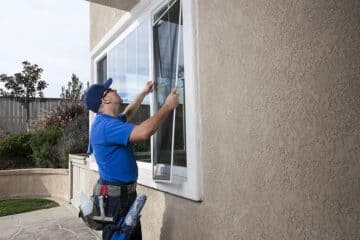
Window screens help fresh air circulate through your home while keeping insects and outdoor debris on the exterior side of the opening. Over time, screen mesh accumulates dust, pollen, and grime, reducing outward visibility and limiting airflow. When buildup accumulates for too long, it can weaken the screen material, strain the screen frame, and make rooms feel less comfortable during warmer months.
Regular cleaning helps screens perform as intended and keeps windows clearer. With a simple routine and the right tools, homeowners can remove residue without damaging screen mesh or bending the screen frame. If your windows also use roller shades, cleaning the screens and glass regularly helps reduce dust transfer to the shade fabric and keeps the entire window area looking cleaner. Consistent inspection also helps catch small tears, loose corners, and frame issues early, maintaining secure screens and reliability throughout the year.
Understanding Window Screen Types and Materials
Before cleaning window screens, it helps to understand the mesh material, as it affects durability, cleaning methods, and outward visibility. Common options include fiberglass, aluminum, stainless steel mesh, and polyester screens. Each material performs differently in daily use, especially when exposed to sun, humidity, and frequent handling.
Fiberglass mesh is flexible and easy to clean; aluminum is more rigid and holds its shape well; stainless steel offers added durability; and polyester screens are often selected for tougher, high-contact areas. When you know the differences between mesh types, it becomes easier to choose the right cleaning approach and maintain long-term performance without damaging the mesh or screen frame.
For a deeper guide on matching screen styles to your home’s needs, read What Types of Window Screens Work Best for Your Home?
Overview of Common Window Screen Types for Homes
Homes use different window screen types based on airflow needs, window location, and the opening’s daily use. Most screens are made from woven mesh that allows ventilation while providing insect protection and blocking outdoor debris. These screens are compatible with vinyl windows, screen doors, and basement windows, and are available in frame styles that vary by opening type and hardware.
The best screen selection often depends on how the window is used. High-traffic areas and frequently opened windows typically benefit from more durable screen mesh and a sturdier screen frame that stays secure through repeated handling. Low-use windows may perform well with standard mesh focused on ventilation and pest control. Knowing which screen types are installed in your home helps you maintain them properly and recognize when window screen replacement is needed to maintain consistent performance.
To compare the most common mesh choices and what each one delivers, read What Are the Main Window Screen Materials and Benefits?
Comparing Window Screen Materials: Fiberglass vs. Aluminum vs. Solar Screens
Fiberglass and aluminum screens are among the most common choices for residential windows, and each responds differently to routine cleaning and daily use. Fiberglass mesh is flexible, widely used for replacement window screens, and typically easier to handle during removal and reinstallation. Aluminum screens are more rigid and tend to retain their shape over time, which can be helpful for high-traffic windows and screen doors. Solar screens differ in that they are designed to reduce heat gain and glare on sun-facing windows, improving energy efficiency while still providing insect protection.
Each material has its own performance profile, which affects service life, outward visibility, and care routine. Here is a quick comparison:
| Feature | Fiberglass Screens | Aluminum Screens | Solar Screens |
| Durability | Flexible; can tear with punctures or heavy contact | Rigid and long-lasting; impact can cause dents | Built for exterior sun exposure; durable for heat and glare control |
| Visibility | Excellent outward visibility with minimal glare | Good visibility; can appear slightly more reflective | Designed to reduce glare; clarity can vary by mesh density |
| Maintenance | Gentle cleaning helps protect the mesh and frame fit | Simple cleaning and routine inspection for dents | Wipe-down cleaning with mild soap supports long service life |
| Primary Benefit | Flexibility and easy handling | Strength and shape retention | Heat and UV exposure reduction |
If you want to decide whether solar screening is the right upgrade for bright, sun-facing windows, read Are Solar Screens Worth It for Heat and Glare Control?
Window Screen Options for Specific Needs in Fort Worth, Texas
Standard window screens provide basic insect protection, but some homes in Fort Worth require more targeted performance. Pet activity can tear standard mesh; some neighborhoods experience higher insect activity; and intense sun exposure can make heat and glare control a priority. In these situations, specialty and custom window screens can deliver better results by matching screen mesh, frame strength, and hardware to each window’s use.
Custom window screens are built to exact measurements, which supports a tighter fit and more consistent performance. A secure fit helps limit gaps that let insects through and enables the screen frame to stay stable through daily use. When screen options are selected based on your home’s needs, comfort improves, and protection becomes more reliable, whether the goal is more rigid mesh for pets, tighter mesh for smaller insects, or solar screening for better sun control.
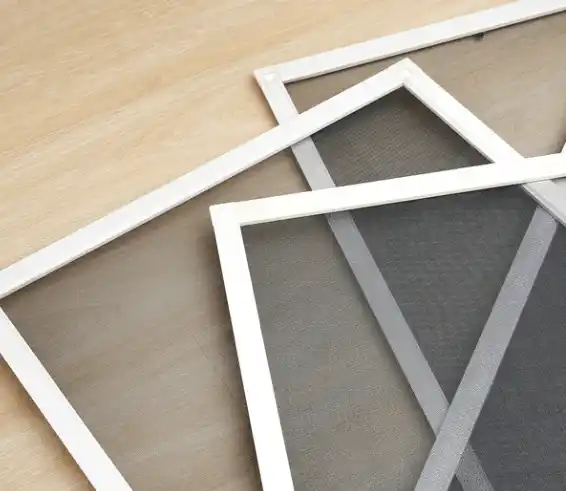
Screens Designed for Pet Owners and High-Traffic Areas
Homes with pets often need screen mesh that can handle repeated contact. Standard fiberglass mesh works well for everyday insect protection, but it may not hold up when dogs or cats paw, scratch, or push against the screen. For pet-heavy areas, stronger mesh options are designed to resist tearing and punctures, helping screens last longer on doors and lower windows where pets spend the most time.
Two popular durability upgrades are polyester screens and stainless steel screens. Polyester pet-resistant mesh is engineered to withstand higher pressure than standard fiberglass mesh and is often selected for screen doors, patio doors, and ground-level windows. Stainless steel screens offer greater strength and are a strong choice for high-traffic openings where durability and added protection are priorities. Both options support airflow and outward visibility while providing more dependable long-term performance in busy areas.
Key benefits of stronger mesh screens include:
- Tear and puncture resistance: Helps reduce damage from claws, paws, and repeated impact
- Enhanced strength: Uses tougher materials such as polyester and stainless steel for higher durability
- Long service life: Holds up longer in high-contact areas, reducing frequent replacement
Options for Enhanced Insect Protection and Home Security
Insect protection is a primary reason homeowners rely on window screens, but screen performance can vary with mesh tightness and material strength. If your home is dealing with smaller pests, a finer mesh screen can make a significant difference because tighter openings block more insects while still allowing airflow. Mesh selection also affects durability and the screen’s performance in daily use and seasonal weather.
For homeowners seeking added strength and insect protection, stainless steel mesh is a durable option for select windows and screen doors. It resists tearing and retains its shape under pressure, helping screens stay more secure in high-traffic areas. A stronger mesh can also provide an additional layer of resistance against tampering, but it should complement, not replace, locks and other security measures.
Key points to keep in mind for improved protection:
- Fine mesh: Tighter screen mesh helps block smaller insects more effectively
- Strong material: Stainless steel mesh adds durability and resists damage
- Added protection: Stronger screens can support a more secure opening, alongside standard home security measures
Cleaning Methods for Different Window Screen Materials
Once you know which screen materials are installed in your home, it becomes easier to select a cleaning method that protects both the screen mesh and the screen frame. Proper cleaning removes dust, pollen, and debris that can reduce outward visibility and restrict airflow. It also supports longer screen life by keeping buildup from settling into the weave. Whether your screens are fiberglass, aluminum, stainless steel mesh, or a heavier solar mesh, gentle cleaning helps preserve fit and performance.
Regular cleaning also reduces the chance of stubborn residue that can discolor mesh or weaken edges over time. When screens remain dirty for extended periods, buildup becomes harder to remove and may lead to earlier replacement of window screens.
Best Practices for Washing and Maintaining Window Screens
Routine washing helps window screens maintain clear outward visibility and steady airflow. In most homes, a mild soap-and-water solution is sufficient to remove dust, pollen, and grime from screen mesh. Cleaning one to two times per year works well for many homeowners, while homes in high-pollen areas or near construction zones may benefit from more frequent cleaning to keep buildup from settling into the weave.
Gentle technique is essential. Harsh chemicals and high-pressure water can damage screen mesh or loosen the fit within the screen frame. If you remove screens for seasonal storage, cleaning them before storing helps prevent residue from hardening and makes the next seasonal installation easier. A consistent routine supports longer screen life and more dependable insect protection.
Best practices to keep screens in quality condition:
- Gentle cleaning: Use a soft brush or cloth with mild soap and water, and clean both sides of the screen mesh carefully.
- Thorough rinsing: Use low-pressure water to remove soap residue without distorting the mesh.
- Air-drying: Allow screens to dry thoroughly before reinstalling to prevent mildew and ensure the screen frame seats securely.
Better Homes & Gardens shares common factors that influence cleaning frequency, including pollen, weather, traffic dust, and nearby trees.
Window Washing Techniques for Clear and Streak-Free Glass
Once the screens are clean, the window glass is easier to clean and allows more natural light into the room. Clean glass also improves visibility from the outside and makes living spaces feel brighter. A consistent method, combined with the right tools, helps remove residue without leaving streaks.
For best results, wash windows on a cloudy day or when the glass is shaded. That prevents the cleaning solution from drying too quickly, a common cause of streaking. Many homeowners rely on a squeegee because it clears water evenly across the pane and helps create a crisp finish with fewer passes.
Steps that help deliver streak-free glass and better visibility:
- Use a squeegee: Start at the top and pull down in a smooth motion, slightly overlapping each pass.
- Wipe the blade: Use a lint-free cloth after each pass to prevent dirt and water from spreading across the glass.
- Detail the edges: Finish by running a dry microfiber cloth along the edges and corners to remove any residual moisture.
With clean screens and properly washed glass, windows allow more daylight while providing a clearer view outside.
Martha Stewart notes that cleaning in cooler conditions and using a squeegee can help limit streaking as the glass dries.
Caring for window screens and keeping windows clean supports clearer views, steadier airflow, and more dependable insect protection. When you understand screen mesh types and how different materials respond to washing, it becomes easier to maintain screens without damaging the screen frame or weakening the mesh. A consistent routine also helps you catch minor issues early, keeping screens secure and performing well through changing seasons.
Atlas Solar-Tex provides screen solutions designed for long service life and strong performance in Texas conditions. If you want help selecting the right screen type, improving fit, or planning a screen upgrade for better comfort, contact us or give us a call today.
Frequently Asked Questions
Are roller shades and solar screens easy to maintain?
Yes. Light dusting and gentle wiping typically keep them in quality condition. Use a soft brush attachment or a microfiber cloth, and avoid harsh chemicals. Routine cleaning helps reduce buildup, keeping the surface neat and performing consistently.
Can I handle window screen replacement or upgrades without professional help?
You can, especially for standard sizes, as long as measurements are accurate and the screen frame is in solid condition. Professional installation can be helpful for custom sizing, large openings, or when you want a tighter fit and steadier long-term performance.
What are the main types of window screens available for homes?
Common options include fiberglass, aluminum, stainless steel mesh, pet-resistant polyester mesh, and solar screens. Each type supports different priorities, such as everyday insect protection, added durability, or improved heat and glare control on sun-facing windows.
How do I select the right window screen material for my needs?
Match the material to use and the location. Fiberglass suits are general-purpose and easy to handle; aluminum suits are for high-traffic openings that require rigidity; and polyester or stainless steel suits are for areas requiring more rigid mesh. For sun-facing windows, solar screens can improve heat and glare control.
What are the advantages and disadvantages of different window screen materials?
Fiberglass offers flexibility and clear views but can tear from sharp debris. Aluminum holds its shape well but can dent from impact. Stainless steel adds durability but can be harder to install. Polyester pet-resistant mesh handles heavy contact well and is useful in pet-heavy areas.
How do fiberglass and aluminum window screens compare?
Fiberglass mesh is flexible, corrosion-resistant, and easy to reinstall. Aluminum screens are rigid and resist sagging but may dent if struck. Both provide airflow and insect protection, so the better choice depends on durability requirements and how often the opening is used.
What type of window screen is most effective at keeping out insects?
Mesh tightness matters most; a finer weave blocks smaller insects more effectively. No-see-um mesh is a common choice for small insects. Stronger materials, such as stainless steel, can add durability, but the weave size primarily drives insect protection.
Are there window screens explicitly designed for pet owners?
Yes. Pet-resistant screens often use vinyl-coated polyester mesh or stronger metal mesh options. They are designed to resist tearing from claws and repeated pushing, which helps screens last longer on patio doors, sliding doors, and low windows.
How often do window screens need to be cleaned?
Clean screens one to two times per year in most homes. If your area has high pollen or dust levels or there is nearby construction, cleaning more frequently can help maintain clear visibility and airflow. Regular cleaning also helps extend screen life by reducing mesh buildup.