Window screens help a homeowner enjoy fresh airflow while limiting insects, dust, and outdoor debris. The right screen also supports indoor comfort by reducing glare and managing sunlight, which can affect cooling needs in warm months. In some spaces, a roller shade screen can also help manage sunlight and privacy while still allowing ventilation, depending on the window setup. Since screens sit at the edge of the living space, the screen type you select affects visibility, ventilation, and how well windows function during daily use.
Different screen materials and weave styles serve different priorities, from clearer views to stronger durability and added protection. Climate, surrounding trees, pets, and the level of sun exposure all shape what performs best. When the screen is matched to the home’s needs, it supports comfort, long-term maintenance, and easier upkeep without requiring frequent replacement.
Exploring Window Screen Types for Texas Homes
Texas homes often require window screens that can withstand intense sun, high humidity, and long insect seasons. With so many screen options available, the material you select plays a major role in durability, visibility, airflow, and the level of protection the screen provides. Whether your goal is a classic appearance or a modern upgrade, the right match supports everyday comfort and long-term performance.
Understanding screen material options helps a homeowner choose the best fit for local conditions. Strong sunlight can fade finishes and heat up window areas, while humidity can challenge lower-grade materials over time. Add frequent bug activity, and screen quality becomes even more important. Options such as aluminum, fiberglass, and custom-built screens each serve different priorities, from strength and resilience to ease of maintenance and specialized use.
If you want a deeper breakdown of the most common screen materials and what each one delivers, read What Are the Main Window Screen Materials and Benefits?
Popular Options: Fiberglass, Aluminum, and More
When comparing window screen types, fiberglass is one of the most common selections for many homeowners because it balances durability with everyday ease. Fiberglass mesh resists rust and withstands rain and sun exposure, making it a reliable option for long-term use. It also supports clear outward visibility and steady airflow, so rooms feel breezy without sacrificing comfort. Many fiberglass screens are available in darker finishes, such as charcoal or black, which can reduce glare and make the view outside feel sharper.
For added strength, aluminum window screens are a dependable option. Aluminum screens are known for staying firm and resisting bending, which helps them hold their shape through frequent opening and closing. They also perform well in humid environments and are commonly selected for both windows and screen doors where durability matters most. In areas that deal with heavy wind-driven debris or frequent storms, aluminum can be a practical upgrade.
Beyond fiberglass and aluminum, there are specialty materials designed for specific priorities. Stainless steel offers strong durability and a clean, modern appearance, while copper-bronze adds a distinctive finish that suits homes with a more traditional or high-end exterior style. The best screen mesh depends on what matters most for your home, whether that is strength, airflow, clearer views, or a specific finish that matches the window design.
For a quick care routine that improves airflow and visibility, read How Do You Maintain Window Screens and Clean Windows?
Specialty Screens: Pet-Resistant and Privacy Choices
Homes with dogs or cats often need screens that can handle repeated contact without tearing. Pet-resistant screens are made with tougher mesh, commonly polyester or vinyl-coated polyester, designed to resist scratches and claw pressure better than standard screen materials. They help keep pets safely inside while still supporting airflow and insect protection. These screens are especially helpful on screen doors and ground-level windows where pets spend the most time.
For added discretion, privacy screens reduce the amount of the interior visible from outside during daylight hours. The mesh is designed to limit outside viewing while still allowing a homeowner to see out and maintain natural light. This option works well for windows facing sidewalks, driveways, nearby neighbors, or other high-traffic views.
Specialty screens are built around specific performance needs, and the right selection can add noticeable everyday value:
- Stronger mesh structure that holds up better against pet claws
- Improved daytime privacy while still allowing outward visibility
- Protective coatings that support longer service life in the sun and humidity
- Multiple frame and hardware styles for a cleaner fit and smoother installation
With the right specialty screen, your windows and doors keep fresh air moving through the home while supporting durability, privacy, and reliable daily use.
Comparing Window Screen Materials and Their Key Benefits
With so many screen material options available, choosing the right window screen can feel challenging. A smart way to narrow it down is to compare the practical benefits of each material based on how your windows are used every day. Screen material affects durability, visibility, airflow, and how well the screen blocks insects and debris, so selecting a quality option can improve long-term performance and reduce frequent replacement.
Some homeowners prefer an aluminum window screen for added strength and shape retention, while others prefer fiberglass for flexibility and ease of handling. Each screen material offers different advantages, and the best match depends on your priorities, local weather, and the level of daily use your windows and screen doors receive.
For context on how screens and other window coverings can support comfort and reduce heat gain, the U.S. Department of Energy explains common options and performance considerations.
Aluminum vs. Fiberglass: Durability, Performance, and Maintenance
The two most common window screen materials are aluminum screens and fiberglass screens, and each one performs differently in day-to-day use. Aluminum screens are firm and hold their shape well, so they resist sagging over time. They also perform well in sunny or humid conditions, which makes them a strong option for many Texas homes. However, aluminum can dent if struck by debris, a ladder, or frequent contact around busy windows.
Fiberglass mesh is more flexible and often easier to handle during installation because it does not crease the way metal mesh can. While fiberglass may not match aluminum for rigidity, modern fiberglass screens deliver reliable service life, steady airflow, and clear outward visibility. Darker fiberglass mesh can also improve viewing clarity and reduce glare. Understanding how each material handles durability, performance, and upkeep makes it easier for a homeowner to select the right screen for each window.
Here is a quick comparison:
| Feature | Aluminum Screens | Fiberglass Screens |
| Durability | Strong and rigid, it resists sagging | Flexible, resists creasing and denting |
| Visibility | Clear view with standard mesh | Very clear, especially with dark mesh |
| Cost | Often higher | Often more budget-friendly |
| Maintenance | Resists corrosion but can dent | Resists corrosion and everyday wear |
Both fiberglass screens and aluminum screens have clear advantages depending on priorities. The best choice comes down to how much durability you want, how important visibility is, and how much daily impact the screen may need to handle.
Innovative Materials: Allergen-Blocking Screens and Roller Shades
New screen technology gives homeowners more ways to improve comfort, especially in areas where pollen, dust, and strong sunlight are common. Allergen-blocking screens are designed with a tighter screen mesh that helps reduce the amount of pollen and airborne debris that enter when windows are open. This can be especially helpful for households managing seasonal allergies or asthma, since the screen supports cleaner airflow while still allowing ventilation.
If a window screen replacement is already planned, upgrading to an allergen-blocking option can be a practical step toward better indoor air quality. These screens also make cleaning easier by reducing the amount of debris that enters, helping maintain a more comfortable living space during high-pollen months.
Other innovative options can add more control over light and insect protection:
- Roller shade screens that block sunlight when needed and roll up neatly when not in use
- Polyester mesh is designed for durability and UV filtering, supporting longer service life in harsh sun
- Fine-weave screen mesh that helps block smaller insects more effectively than standard mesh designs
Understanding Solar Screens as Window Screen Options
Solar screens are a smart choice for homeowners seeking greater comfort during hot, sunny months. They are designed to reduce heat and glare before sunlight passes through the glass, helping rooms stay cooler and more comfortable, especially in Texas, where sun exposure can be intense. By reducing heat gain through windows, solar screens can reduce the frequency of air-conditioner cycling, improving overall energy efficiency over time.
Solar screens are also a practical upgrade during a window screen replacement project, offering benefits beyond temperature control. They can help protect interior surfaces by reducing sun exposure that contributes to fading on floors, furniture, and window coverings. For homes with large windows or intense afternoon sun, solar screens can improve daily comfort while supporting long-term interior protection.
To decide if solar screening is the right upgrade for your home, read Are Solar Screens Worth It for Heat and Glare Control?
How Solar Screens Help With Heat and Glare Control in Fort Worth
Fort Worth sun can be intense for much of the year, leading to warmer rooms, higher cooling demand, and harsh glare. Standard window screens mainly block insects, while solar screens add heat and light control. Their tighter mesh helps reduce solar heat gain and filter UV exposure before it reaches the glass, keeping indoor temperatures more stable during peak afternoon sun.
By limiting heat at the window, solar screens can help a home stay cooler and reduce AC strain. They also reduce glare, making bright rooms more comfortable without keeping blinds closed all day. Natural light and outward visibility still come through, but the harsh effects of direct sunlight are reduced—even when windows are open for ventilation.
Window Screen Features: Keeping Out Insects, Allergens, & Enhancing Security
Insect protection is still the core function of a window screen. A well-fitted screen mesh blocks mosquitoes, flies, and other pests while supporting fresh airflow, especially during warm Texas months.
Some modern screen options also help reduce dust and airborne particles that drift indoors when windows are open, which can help homeowners with seasonal sensitivity. Security-focused screens use stronger materials that resist tearing and hold up better to impact. Whether you select an aluminum window screen for added strength or a specialty mesh designed for filtration, the right screen improves comfort and supports a more dependable setup.
Pest Protection and Family-Safe Designs for Your Home
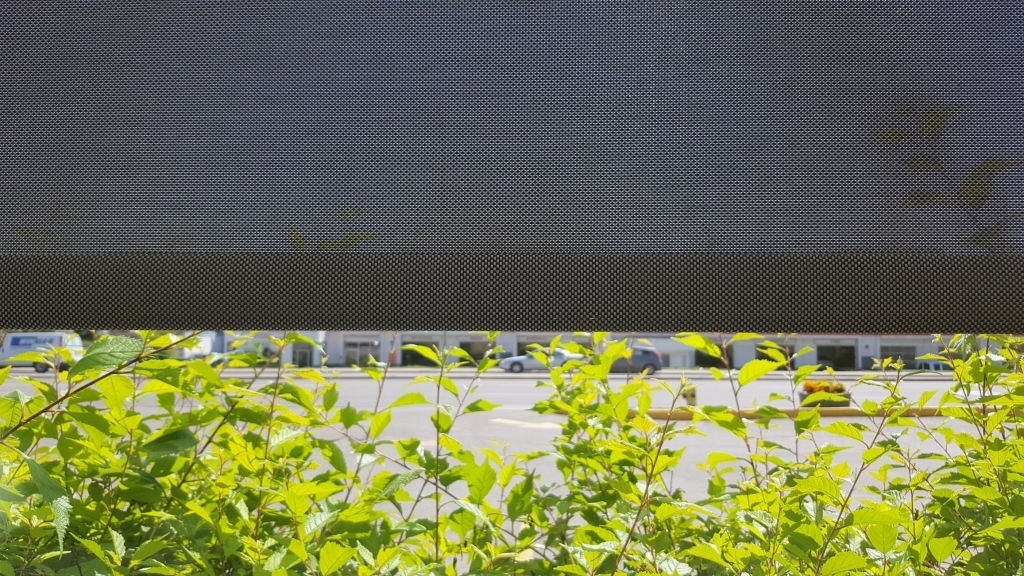
Effective pest control starts with the right screen mesh. Tighter weaves can block smaller insects while still allowing airflow. Fiberglass and aluminum screens remain popular because they perform well in everyday use and suit most standard window frames. For areas where gnats are common, no-see-um screens can offer better protection than standard mesh.
For homes with kids or pets, stability matters too. A secure screen frame and proper installation help keep screens seated during daily use. Pet-resistant mesh can handle more contact and reduce tearing from claws, improving durability and peace of mind.
Key features to select for stronger protection and safer performance:
- Tightly woven screen mesh for better insect protection
- Durable materials designed to resist tearing
- Secure installation that keeps the screen seated and stable
- Family-safe designs that support safer windows and screen doors
The Role of Privacy Screens and UV-Blocking Technologies
Privacy screens reduce visibility from outside during the day while still allowing natural light and airflow. Homeowners can keep blinds open more often in rooms facing sidewalks, neighbors, or busy streets, while maintaining outward visibility.
UV-blocking technology adds another layer of protection, especially in sunny areas. Many screen types, including solar screens, help filter UV rays and reduce glare before sunlight reaches interior surfaces. This helps slow fading on floors and furniture while supporting a cooler indoor feel by limiting heat gain through windows.
Window Screen Installation Choices
After choosing screen material, the next step is installation. Homeowners typically choose between pre-framed screens and custom window screens, depending on window size, budget, and whether they prefer DIY or professional installation. A properly sized screen frame supports smoother operation and helps the screen stay seated.
Fit matters. Gaps and loose edges reduce insect protection and can cause shifting in the wind, leading to wear faster. Pre-framed screens work well for standard windows, while custom screens are often better suited to older homes, unusual openings, or homeowners who want a tighter fit and cleaner finish.
Pre-Framed versus Custom-Fit Screens
Pre-framed window screens are a practical option for standard-sized windows. Since they arrive in standard sizes, replacements are typically faster when the existing frame matches.
For older homes or non-standard openings, custom-fit screens are often the better choice. A professional measures each window to create a precise screen frame, which supports a tighter seal, stronger insect protection, and a cleaner appearance. While custom sizing can cost more upfront, it reduces guesswork and helps ensure the screen fits correctly the first time.
Retractable and Removable Window Screen Options
Homeowners who want a wide, unobstructed view often select retractable window screens. These screens sit inside a slim housing at the top or side of the window frame and extend only when needed. When you want a fully open view, the screen rolls back into the housing to stay out of sight. This design works exceptionally well for casement windows, doors, and larger openings where visibility and convenience matter.
Removable screens are another flexible option. They can be removed when not needed and stored seasonally, reducing exposure to harsh weather and extending screen service life. This approach can be helpful in homes that keep windows closed during colder months or for rooms where screens are only needed during peak insect seasons.
Benefits of retractable and removable screen options include:
- A clearer view when the screen is not in use
- Reliable insect protection when the screen is extended or installed
- Seasonal storage that reduces wear and helps screens last longer
Maintenance and Care for Window Screens and Clean Windows
Regular maintenance helps window screens last longer and keeps windows clearer. Over time, screens on aluminum windows and screen doors collect dust, pollen, and outdoor debris. Buildup can reduce outward visibility and limit airflow, making rooms feel less comfortable. Routine cleaning keeps the screen mesh working as intended and helps the home maintain steady ventilation.
Whether your home uses aluminum or fiberglass window screens, gentle cleaning methods work well for both materials. Using the right approach protects the mesh and frame, keeping the screens secure, maintaining their shape, and providing reliable insect protection season after season.
Routine Window Washing and Best Practices for Upkeep
Keeping the screen mesh and the screen frame clean supports clearer views and steadier airflow. Regular window washing also helps reduce buildup that can collect along edges and corners, especially after storms, high winds, or heavy pollen days. When screens stay clean, they maintain insect protection while helping rooms feel fresher and more comfortable.
For most homes, cleaning window screens twice per year is a reliable routine, with additional cleaning during dusty seasons or high-pollen periods. Use mild soap and water with a soft brush or cloth to remove debris from both the mesh and frame. Work gently to keep the mesh intact and the frame straight. After washing, rinse thoroughly until all soap is gone, as residual soap can attract more dirt. Allow the screens to air-dry completely before reinstalling.
Helpful upkeep tips:
- Clean screens at least twice per year, and more often in dusty areas
- Use a soft brush or cloth to protect the mesh and frame
- Rinse thoroughly to remove soap residue
- Inspect frames and corners during cleaning to catch damage early
If a screen needs new mesh, Family Handyman outlines the basic steps and the most common material types used in replacements.
Prolonging the Life of Different Window Screen Types
The screen material you select affects both service life and the required maintenance. With aluminum window screens, regular checking helps catch dents or frame shifts early, especially on windows exposed to wind-driven debris or frequent use. Aluminum resists corrosion well, but finishes can wear over time, so keeping the mesh and frame clean helps maintain durability and consistent performance.
A fiberglass window screen typically resists rust and holds up well in normal weather, but sharp edges, pets, or storm debris can cause tears. A yearly inspection is a smart routine for fiberglass mesh, checking for small holes, loose edges, or weakened corners so minor issues can be addressed before they spread. For stainless steel screens, occasional washing helps remove dirt and buildup that can cling to the mesh, supporting long-term strength and a cleaner appearance.
To extend the life of any window screen type, follow a simple routine: clean gently, schedule regular inspection, and address damage quickly. Consistent care helps screens maintain strong insect protection, stable airflow, and a secure fit for years.
Window screens play a bigger role than many homeowners expect. The right material and mesh type can improve airflow, reduce insects, support daytime privacy, and help manage heat and glare, especially in sunny Texas conditions. Fiberglass and aluminum remain popular options for everyday performance, while solar screens and specialty meshes add targeted benefits for comfort and long-term interior protection.
Atlas Solar-Tex helps homeowners select screen options that fit the home, the climate, and daily use. If you want help choosing the right window screens or planning a screen replacement, contact us today or give us a call.
Frequently Asked Questions
Do window screens exist that help block pollen or allergens?
Yes. Allergen-blocking screens use a denser mesh that helps reduce pollen and airborne debris from entering through open windows. They are a practical upgrade during window screen replacement, especially for households that want cleaner airflow during high-pollen seasons.
Are solar screens a smart selection for homes in hot climates?
Yes. Solar screens help reduce heat and glare before sunlight reaches the glass, improving indoor comfort. They also support energy efficiency by reducing cooling demand during hot weather while still allowing natural light and outward visibility.
What are the most common window screen materials for homes?
Fiberglass and aluminum are the most common materials for window screens. Fiberglass is widely chosen for its flexibility and ease of handling, while aluminum is chosen for its added rigidity and shape retention. Both materials can be custom-sized for non-standard windows.
How do I select the right window screen material for my needs?
Start with your priorities: durability, visibility, airflow, privacy, and sun exposure. Then match the material to the window location and daily use. For example, high-contact areas may benefit from a tougher mesh, while sun-facing windows may benefit from solar screening.
What are the key differences between aluminum and fiberglass window screens?
Aluminum screens are rigid and resist sagging, which helps them hold shape over time, but they can dent from impact. Fiberglass mesh is flexible and resists creasing, making it easier to handle, but it can tear when punctured by sharp debris or subjected to heavy impact.
What are privacy window screens, and how do they work?
Privacy screens use a specialized screen mesh that limits outside viewing during daytime hours while maintaining outward visibility from inside. They can be helpful for windows facing neighbors, sidewalks, or busy streets where a homeowner wants more discretion without blocking natural light.
How does solar window screening differ from standard window screens?
Standard window screens focus on insect protection and airflow. Solar window screening uses a tighter mesh designed to reduce glare and filter UV exposure, helping manage heat gain through sun-facing windows. This can improve comfort in bright rooms and support long-term protection of the interior.
What are the benefits of retractable window screens?
Retractable window screens provide insect protection only when needed. They roll into a housing when not in use, giving a clearer view and a cleaner appearance. They are popular for large openings, casement windows, and doors where flexibility and visibility are priorities.
What window screen type works best for most homes?
For many homes, fiberglass screens are a solid all-around choice for airflow and visibility, while aluminum screens suit areas requiring greater rigidity. The best option depends on sun exposure, insect activity, privacy needs, and the level of daily contact the screen will handle.