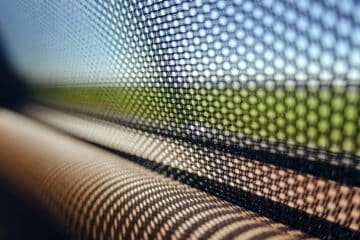
Window screens do more than cover an opening. They provide fresh airflow, help block insects, and add an extra layer of everyday comfort for homeowners. The screen material you select influences how well the screen withstands sun exposure, humidity, and frequent use, and also affects visibility and ventilation. A well-matched window screen keeps rooms feeling breezy without inviting pests inside, while also supporting easier window washing by helping reduce the amount of debris that reaches the glass.
Understanding the main window screen materials makes it easier to select the right fit for your home’s needs. Each material has its own strengths, from added durability to clearer views and easier maintenance. By comparing the most common options, you can make a confident selection that supports long-term performance and a more comfortable living space.
Overview of Window Screen Types and Their Importance for Fort Worth Homes
Fort Worth homeowners have several window screen options, from replacement screens that fit most standard openings to custom screens built for a precise fit. The screen mesh you select plays a major role in daily comfort and long-term performance. It helps keep insects outside, supports steady airflow, and influences outward visibility, which affects how bright and open a room feels. Screen choices also impact durability in Texas’s sun and humidity, especially on windows that see frequent use.
Selecting the right window screen can also enhance the home’s exterior appearance. A properly fitted screen frame with clean, consistent mesh supports a more finished view from the street and can improve curb appeal. By understanding material and mesh options before window screen replacement or new installation, a homeowner can select a balance of strength, visibility, and dependable protection that suits Fort Worth conditions.
For a complete guide on screen options by home needs and daily use, read What Types of Window Screens Work Best for Your Home?
Understanding the Role of Window Screens in Comfort and Protection
Window screens enhance everyday comfort by allowing homeowners to open windows for fresh airflow without inviting pests inside. Their primary purpose is insect protection, helping block mosquitoes, flies, and other common insects while allowing natural light and outdoor breezes to flow through the home. When screen mesh is fitted correctly, it creates a dependable barrier that keeps living areas more comfortable during warm weather.
This same benefit applies to screen doors, which are often used daily. A durable screen mesh helps screen doors hold up longer while maintaining ventilation and visibility. With the right mesh, rooms feel brighter and cooler, and you can keep windows and doors open without dealing with insects indoors.
If you are considering stronger sun control along with comfort, read Are Solar Screens Worth It for Heat and Glare Control?
What Types of Window Screens Work Best for Your Home?
Selecting the right screen material is one of the most important steps when deciding which window screens work best for your home. Screen material affects durability, visibility, airflow, and the screen’s effectiveness at preventing insects in daily use. Comparing screen options side by side helps a homeowner match the right screen mesh to each window based on sun exposure, humidity, and how often the window is opened.
The right material also influences how the screen frame performs and how the windows appear from the exterior. A properly matched frame and mesh support a cleaner fit, more consistent performance, and a more finished appearance from the street. This matters even more in older homes, where non-standard openings and original design details often require more precise screen choices.
Once you understand the differences among fiberglass, aluminum, and specialty screen materials, it becomes easier to select the best fit for your needs, whether your priority is strength, improved outward visibility, ease of maintenance, or cost-effectiveness.
For practical maintenance steps that help screens last longer and keep windows clearer, read How Do You Maintain Window Screens and Clean Windows?
Key Window Screen Materials: Features and Advantages
The window screen material you select directly affects performance, durability, and day-to-day comfort. Most homeowners choose fiberglass mesh or aluminum screens because both materials support reliable insect protection and fit a wide range of window styles. Fiberglass mesh is commonly selected for its flexibility and ease of handling, while aluminum screens are selected for added rigidity and the ability to retain their shape through frequent use.
Beyond the standard options, specialty materials can better match specific needs around the home. Polyester screens are often selected for tougher, more resistant mesh that holds up better in high-contact areas, including homes with pets. Other stronger materials, such as stainless steel, can add durability for demanding conditions. By understanding the advantages of each material, a homeowner can select the right screen for windows and screen doors based on visibility, strength, and expected wear.
For a broader view of how screens and other window coverings can support comfort and reduce heat gain, the U.S. Department of Energy outlines common attachment options and why they matter.
Fiberglass Screens: Benefits, Durability, and Popular Applications
Fiberglass screens are a popular selection for many homeowners because they balance durability, ease of handling, and long-term performance. This screen material is often vinyl-coated, which helps it stay flexible and resist denting compared to metal mesh. It also resists corrosion, making it a practical option in humid conditions and during extended periods of intense sunlight. Fiberglass is commonly used for replacement window screens, patios, and everyday windows where steady airflow and reliable insect protection are top priorities.
Standard fiberglass mesh supports clear outward visibility while allowing fresh air to circulate through the home. It is often available in charcoal or darker finishes that can reduce glare and make the view outside appear sharper. For a homeowner planning a window screen replacement, fiberglass is a dependable option that performs well in daily use and handles routine cleaning without requiring complex maintenance.
Key benefits include:
- Flexibility: The mesh bends under pressure and returns to shape, helping it resist permanent creases.
- Corrosion resistance: It resists rust and performs reliably in humid or rainy conditions.
- Visibility: It protects insects while maintaining a clear view and consistent airflow.
- Affordability: It delivers durable performance and supports a wide range of home-screen projects.
Aluminum Screens: Strength, Longevity, and Ideal Uses
Aluminum screens are a strong choice for homeowners who want a screen material that holds its shape and performs well over the years. Because aluminum screening is rigid, it resists sagging and remains seated in the frame, helping maintain consistent insect protection and smooth window operation. This material works well in hot sun, seasonal storms, and humid conditions, making it a reliable option for year-round use in many Texas homes.
Aluminum is durable, but it can bend under hard impacts from debris or frequent heavy contact. In coastal areas, salt in the air can cause oxidation over time, so regular cleaning is recommended for windows that are constantly exposed to salt. Even with those considerations, aluminum screens remain a dependable choice for high-traffic windows and screen doors where strength and long service life matter most.
Key features of aluminum screens:
- Superior strength: Rigid mesh provides long-term shape retention and stable frame performance.
- Long-lasting durability: Handles sun and rain well for consistent use across seasons.
- Clear outward visibility: Supports airflow while maintaining a crisp view outside.
- Simple upkeep: Routine cleaning and occasional inspection help keep the mesh and frame performing well.

Stainless Steel Screens: Pros, Cons, and Unique Use Cases
Stainless steel screens are a strong selection for homeowners who want a durable screen material built for demanding conditions. This window screen material holds up well in high-traffic areas and supports added protection for ground-level windows and screen doors. Stainless steel resists corrosion and maintains its shape under pressure, making it a practical option when long service life and reliability are more important than a lighter mesh option. Many homeowners also choose stainless steel for greater tear resistance in areas where pets frequently jump or lean against screens.
The primary advantage of stainless steel is strength. The mesh is stiffer and can withstand higher loads than standard fiberglass mesh. It also provides reliable insect protection, as the mesh openings are fine enough to block common pests while still allowing airflow. Stainless steel screens often require a higher upfront investment and can be more challenging to install due to the material’s rigidity and weight. Still, they usually deliver long-term value in areas where standard screens wear out faster.
| Pros of Stainless Steel Screens | Cons of Stainless Steel Screens |
| Exceptional strength and long service life | Higher initial cost than many other materials |
| Strong corrosion resistance | It can be more challenging to install due to the rigidity |
| Added security and protection for doors and windows | Limited finish and color options in some product lines |
Specialty Window Screen Options for Modern Living
Many homeowners want more from a window screen than basic insect protection. Specialty window screen options are designed to solve specific comfort and lifestyle needs, such as durability in pet-heavy areas, stronger sun control on heat-exposed windows, and added daytime privacy in street-facing rooms. Selecting the right specialty screen can improve airflow and support a more comfortable, secure home environment.
These upgraded screens use purpose-built materials and tighter screen mesh designs to deliver targeted performance. A resistant screen holds up better in areas where pets frequently press against it, while privacy screens reduce outside viewing during daytime hours without blocking natural light. For sun-facing windows, solar-style screening helps reduce glare and heat gain, keeping the indoor space cooler. By matching the screen type to each window’s use, a homeowner can achieve better performance and a longer service life throughout the home.
Efficient Window Coverings also explains how exterior solar screens reduce heat gain and glare, and notes common solar-screen material types.
Pet-Resistant Screens: Comparison and Best Applications
Torn screens are a common issue in homes with cats and dogs, especially around patios, back doors, and lower windows. Pet-resistant screens are designed to withstand that wear, using stronger mesh often made from PVC-coated polyester yarn. This more rigid construction helps the mesh resist clawing, pawing, and repeated impact while still supporting airflow and outward visibility.
Compared with standard fiberglass screens, pet-resistant screens deliver noticeably higher durability in high-contact areas. Fiberglass provides good insect protection, but it can tear when pets jump or scratch repeatedly. Pet-resistant mesh is built for that kind of contact, so a homeowner does not have to choose between ventilation and a screen that holds up under daily use. The result is steadier insect protection, fewer tears, and less frequent replacement.
Where pet-resistant screens perform best
- Screen doors and patio doors: Help prevent scratching and pushing through at high-traffic entry points while keeping insects out.
- Sliding screen doors: A strong option for busy areas where pets often jump or paw at the mesh.
- Low windows: Ideal for windows near the floor, where pets can reach the screen easily.
- Patio enclosures: Provide a safer, more durable screened area for pets to spend time outdoors.
- Homes with children: Tougher mesh can handle frequent contact and everyday activity without tearing as easily.
Pet-resistant screens are built to handle repeated scratching and pressure while maintaining airflow and visibility. For households with active pets or frequent door use, this specialty screen option can deliver longer service life and more dependable performance.
Solar Screens and Roller Shades: Enhanced Privacy and Heat Control
Solar screens and roller shades are smart choices for homeowners seeking better heat control and reduced glare, especially on sun-facing windows. These products are designed to filter sunlight before it reaches the glass, helping limit heat gain and bright hotspots in living areas. By reducing the amount of solar heat entering the home, indoor spaces can feel cooler, and the air conditioner may cycle less often, improving energy efficiency.
These options also help protect interior surfaces by reducing UV exposure that can fade furniture, carpets, flooring, and artwork over time. Many solar screens and roller shades also support daytime privacy by limiting outside viewing while maintaining outward visibility from inside. That combination of comfort, protection, and confidentiality makes them a practical upgrade for many homes.
Key benefits of solar screens:
- Energy efficiency: Reduces heat gain, allowing the air conditioner to operate with a lower load.
- UV protection: Filters UV exposure to help slow fading on interior surfaces.
- Glare reduction: Makes bright rooms easier to use without keeping blinds closed all day.
- Enhanced daytime privacy: Maintains outward visibility while reducing visibility from outside during daylight hours.
Window screen materials directly affect comfort, visibility, and long-term performance in a Fort Worth home. Fiberglass is often selected for its flexibility and steady airflow, aluminum is valued for its rigidity and shape retention, and stainless steel is valued for its added durability in demanding environments. When screen choices match sun exposure, daily use, and household needs, windows feel more comfortable while maintaining dependable insect protection.
Atlas Solar-Tex supports homeowners with screen solutions designed for Texas conditions, including solar screening that helps manage heat gain, glare, and daytime privacy on sun-facing windows. If you want help selecting the right screen material or upgrading your current window setup, contact us or give us a call for clear guidance based on your home’s needs.
Frequently Asked Questions
How easy is it to maintain and wash different window screen materials?
Most screen materials are simple to maintain with mild soap and water. Fiberglass mesh is flexible and often easier to remove and reinstall. Aluminum screens are easy to clean as well, but they should be handled carefully to avoid bending the frame or denting the mesh.
Are fiberglass or aluminum screens better for coastal or high-moisture areas?
Fiberglass mesh is often the safer selection in coastal or high-moisture environments because it resists corrosion. Aluminum screens can oxidize over time in salty air, especially without regular cleaning. For inland humidity, both materials can perform well with routine cleaning.
What are the main window screen materials and their key benefits?
Common options include fiberglass mesh for flexibility and everyday use, aluminum for rigidity and shape retention, stainless steel for added durability, pet-resistant polyester for high-contact areas, and solar screens for heat and glare control. The best match depends on sun exposure, window use, and durability needs.
Which window screen material is best for durability and long-term use?
For durability, aluminum and stainless steel are strong selections. Aluminum holds its shape well and resists sagging, while stainless steel offers greater strength in demanding areas. The best option depends on the window location and the amount of contact the screen will receive.
What are the pros and cons of stainless steel window screens?
Stainless steel screens offer strong durability and corrosion resistance with added protection on doors and ground-level windows. They can cost more and may be more challenging to install due to rigidity. Many homeowners select them when long service life and strength are top priorities.
Is there a window screen material that adds more daytime privacy?
Yes. Privacy-oriented meshes and many solar screens can reduce outside viewing during daylight hours while maintaining outward visibility. They work well for windows facing sidewalks or nearby neighbors, where a homeowner wants more discretion without blocking natural light.
Can I handle window screen replacement myself, and what material is easiest for DIY?
Many homeowners can handle basic window screen replacement with the right tools. Fiberglass mesh is often the easiest for DIY because it is flexible and resists creasing. Aluminum can also work for DIY, but it requires more careful handling to avoid dents.
What is the best material for window screens overall?
There is no single best option for every home. Fiberglass is a strong, all-around choice for airflow and visibility; aluminum is ideal for high-traffic areas that require rigidity; and solar screens are functional for sun-facing windows. Matching material to use and exposure delivers the best results.
What is the most common window screen material?
Fiberglass mesh is the most common window screen material for residential use. Many homeowners select it because it balances durability, visibility, and ease of handling. It is widely used for windows, patios, and screen doors.