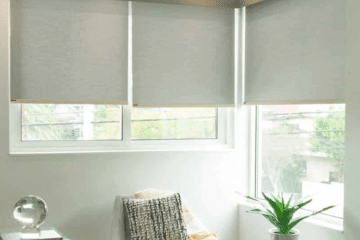
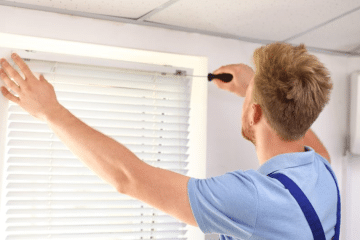
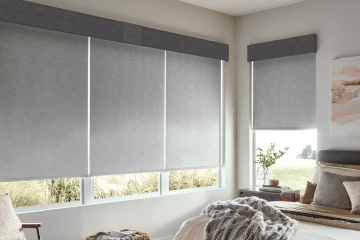
Is your home heating up fast, with harsh sunlight spilling across floors and furniture? Standard window screens deliver insect protection and airflow, but they rarely manage heat gain or glare. Solar screens are redesigned to intercept a portion of the sun’s energy before it reaches the glass, helping rooms stay cooler and reducing visual brightness near sun-facing windows.
For many Fort Worth homeowners, that can mean steadier comfort, easier TV and computer use, and less fading on interior finishes. Solar screening can also provide daytime privacy while maintaining outward visibility. This article explains how solar screens work, where they perform best, and what to consider when choosing the right screen solution for your home. It also covers mesh openness, installation fit, and care basics to ensure performance remains consistent through Texas summers and high-humidity seasons.
Understanding Window Screen Types for Home Comfort
Before deciding whether a solar screen is the proper selection for your windows, it helps to understand how standard window screens work. Screen type affects insect protection, airflow, outward visibility, and long-term durability. Many homeowners choose fiberglass or aluminum screens because both provide reliable pest control and are compatible with a wide range of window styles.
Screen mesh material is one of the most significant factors in overall performance. It affects durability, visibility, and the screen’s performance in sunlight and humidity. When you understand the main screen options available, it becomes easier to select the right solution for your home and make a confident, informed decision.
For a broader breakdown of how different screen styles perform across the home, read What Types of Window Screens Work Best for Your Home?
Common Window Screen Materials and Their Unique Benefits
Window screen material plays a major role in durability, visibility, and performance under sun, wind, and humidity. Many homeowners choose fiberglass mesh because it is flexible, widely available, and corrosion-resistant. It also provides steady airflow and reliable insect protection, making it a practical option for everyday windows and routine replacement.
Aluminum mesh is valued for strength and shape retention. Because it is more rigid than fiberglass, it resists sagging and remains seated in the frame over time, which helps in areas with frequent wind or heavy seasonal storms. Aluminum screening can deliver long service life when installed correctly and maintained with regular checking, especially around frames and corners.
For more demanding needs, stainless steel offers higher durability and added protection in high-traffic areas, including screen doors and ground-level windows. Polyester screens, including pet-resistant styles, are commonly selected for homes that require stronger mesh in areas where pets press or scratch against the screen. These options can still support airflow and visibility while holding up better to contact.
Some homeowners select bronze screens for their distinctive appearance and long-lasting performance. Bronze can develop a natural patina over time, which many homeowners appreciate for traditional or historic home styles.
Each material has strengths, so the best choice depends on your priorities: whether you want greater durability, clearer views, easier handling, or added protection in pet-heavy or sun-facing areas.
For a detailed comparison of materials and what each one offers, read What Are the Main Window Screen Materials and Benefits?
How Different Window Screen Options Suit Varying Needs in Fort Worth, Texas
The right window screen should match your home’s needs for heat, sunlight, insects, and day-to-day use. In Fort Worth, intense sun exposure makes energy efficiency and UV protection especially important for many homeowners. Standard screens provide insect protection and airflow, while specialty options, such as solar screens, are designed to reduce heat gain and glare on sun-facing windows, improving indoor comfort during long, hot seasons.
Material choice also matters in damp or salt-heavy environments. In coastal areas, moisture and salt can corrode certain metals over time, so vinyl-coated fiberglass and other corrosion-resistant materials are often selected to ensure a longer service life. If UV control is a priority, sun-filtering screening can help reduce fading on interior surfaces while keeping surfaces near windows cooler in intense afternoon sun.
The best selection depends on what matters most in your home:
- Stronger durability: reinforced mesh options or sturdier materials for high-traffic windows and screen doors
- Improved pest control: tighter screen mesh for smaller insects common in warm climates
- Better sun performance: solar screening for heat and glare reduction on bright exposures
- Precise fit: custom window screens for non-standard openings and a cleaner exterior appearance
An appropriately sized screen frame and professional installation can also make a big difference, helping screens sit securely, reduce gaps, and deliver consistent performance in daily use.
For maintenance steps that help any screen type last longer and keep windows clearer, read How Do You Maintain Window Screens and Clean Windows?
What Are Solar Screens and How Do They Work?
Solar screens are exterior window screens made with specialized mesh that reduces heat and UV exposure before sunlight reaches the glass. Unlike interior coverings such as blinds or curtains, which allow heat to enter the home before blocking light, solar screens are installed on the exterior of the window. By blocking much of the sun’s energy at the exterior surface, they help limit indoor heat buildup and protect interior surfaces from UV-related fading.
The effectiveness of solar screens comes from how the mesh manages sunlight. The material absorbs and reflects a portion of solar radiation outward, which keeps window panes cooler during peak sun hours. With less heat transferring through the glass, indoor temperatures stay more stable, and the air conditioner operates with less strain. Over time, this improves energy efficiency while maintaining visibility and daytime privacy.
Key Features That Distinguish Solar Screens from Other Window Screen Types
Solar screens are designed for more than insect protection. While standard fiberglass or aluminum window screens mainly support airflow and pest control, solar screens are engineered to reduce heat gain and filter UV exposure before sunlight reaches the glass. That exterior placement is a major difference because it helps manage solar gain at the window surface rather than after heat has already moved indoors.
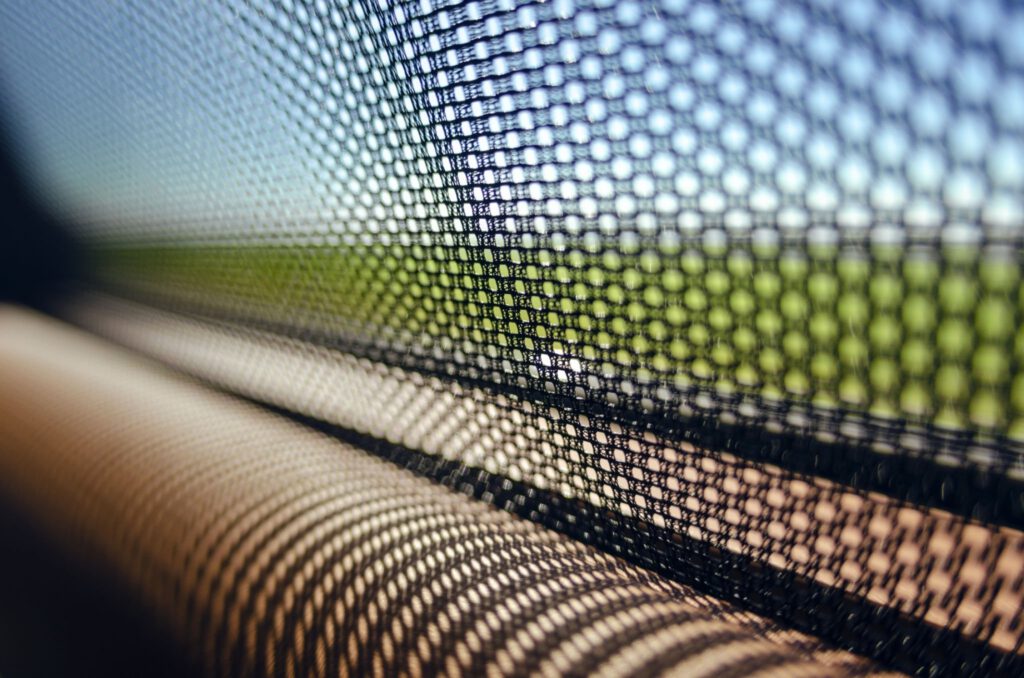
Solar screen mesh is typically heavier with a tighter weave than standard screen mesh. This design reduces glare and helps maintain a cooler indoor environment during peak sun hours. From the street side, the mesh often appears darker, but from inside the home, outward visibility can remain clear while brightness is reduced.
Key features of solar screens include:
- Stronger UV filtering: Helps reduce UV exposure that can fade flooring, furniture, and window coverings over time.
- Heat gain reduction: Limits the amount of solar heat entering through sun-facing windows, supporting steadier indoor comfort.
- Glare reduction: Softens harsh sunlight, making TV viewing and computer use easier in bright rooms.
- Daytime privacy support: Makes it harder for passersby to see inside during daylight hours while maintaining outward visibility for the homeowner.
The Role of Solar Screen Materials in Heat and Glare Reduction
Solar screens reduce heat gain most effectively when the screen material and weave are designed for sun control. Many solar screens use vinyl-coated polyester or reinforced fiberglass screen mesh, both of which are built more rigidly than standard insect screen mesh. These materials are designed to withstand intense sun exposure while maintaining consistent performance over time.
Weave density is a major factor in how solar screens handle sunlight. A tighter weave creates a thicker barrier that absorbs and reflects more solar energy before it reaches the glass. This is what helps solar screens reduce UV exposure and soften harsh brightness in rooms with intense afternoon sun. With reduced glare, interior spaces are easier to use, and indoor surfaces are better protected from long-term exposure to the sun.
For homeowners focused on heat and glare control, polyester-based, reinforced fiberglass solar mesh is a strong option. They deliver durable performance while helping manage sun exposure, which supports steadier comfort in bright rooms and more reliable protection for interior finishes.
Comparing Solar Screens with Other Popular Window Screen Options
When comparing window screen options, fiberglass and aluminum are among the most common choices for everyday use. Both provide reliable insect protection and allow fresh air to circulate through the home. Fiberglass is often selected for flexibility and ease of handling, while aluminum is valued for rigidity and shape retention. However, standard versions of these screens are not designed for strong UV filtering or meaningful heat control on sun-facing windows.
Solar screens add an extra layer of performance by directly blocking sunlight. In addition to insect protection, solar screening is designed to reduce heat gain, reduce glare, and filter UV exposure before sunlight reaches the glass. That combination can make bright rooms more straightforward to use during peak sun hours while helping protect interior finishes from sun-related fading. If managing heat and glare is a priority, solar screens offer benefits that standard insect screens typically do not provide.
Solar Screens vs. Roller Shades: Which Provides Better Interior Comfort?
Solar screens and interior roller shades can both improve comfort, but they work in different ways. Solar screens are installed on the exterior and reduce solar heat gain before sunlight reaches the glass. That exterior placement helps keep window panes cooler during peak sun hours, which can support steadier indoor comfort in hot weather. Roller shades are installed on the interior and mainly reduce brightness after sunlight has already passed through the glass, so the room may still warm up even when the shade is down.
Solar screens also improve outward visibility during the day while reducing glare, making bright rooms easier to use without blocking the view. Roller shades offer strong light control and privacy when closed, but they typically limit visibility and do not provide insect protection when the window is open. For homeowners focused on heat and glare control, solar screens often deliver stronger overall performance with natural light and airflow.
| Feature | Solar Screens (Exterior) | Roller Shades (Interior) |
| Heat Blockage | Excellent (reduces heat before it reaches the glass) | Fair (reduces brightness, but heat still transfers through glass) |
| Energy Efficiency | High | Moderate |
| View Preservation | Maintains outward view in daylight | Blocks view when closed |
| Insect Protection | Yes | No (when the window is open) |
The Whole Building Design Guide notes that exterior shading is a strong strategy for reducing unwanted solar heat gain during cooling seasons.
Durability and Maintenance Considerations for Solar Screens and Other Window Screen Materials
Durability is a major factor when selecting window screens, especially in Fort Worth, where intense sun exposure and seasonal storms can wear down lower-grade materials. Solar screens are commonly made with vinyl-coated mesh designed for exterior use, which helps them withstand prolonged sunlight and changing weather. Compared with standard fiberglass window screens, solar mesh is typically more challenging to install and better suited for long-term, sun-facing installations where heat and glare control are priorities.
Fiberglass screens remain a popular choice for everyday insect protection. They can deliver a long service life with regular maintenance, but they can tear if punctured by sharp debris or subjected to frequent heavy contact. Aluminum window screens can also last for many years because they hold their shape well, though impact can cause dents or bending. Solar screens are more flexible to the touch than aluminum, resist corrosion, and perform consistently in humid conditions and high-heat environments.
Routine care helps any screen material last longer and maintain outward visibility:
- Clean screens regularly using mild soap and water
- Use a soft brush or cloth to remove dust, pollen, and leaves
- Avoid harsh chemicals and avoid pressure washing that can damage mesh and frames
- Select professional installation to help the screen frame fit securely and reduce sagging over time
With consistent cleaning and proper installation, solar, fiberglass, and aluminum screens can maintain reliable performance and insect protection for years.
This Old House also outlines why precise fit and proper hardware help screens stay seated and operate smoothly over time.
Solar screens can make a noticeable difference in Fort Worth homes by reducing heat gain, softening glare, and filtering UV exposure on sun-facing windows. With more stable indoor temperatures, bright rooms feel easier to use throughout the day, and interior finishes are better protected from long-term sun impact. When selected for appropriate exposures and installed securely, solar screening can provide greater comfort throughout the home during high-sun seasons.
Atlas Solar-Tex supports homeowners with solar screen solutions tailored to Texas conditions, including guidance on mesh density, window placement, and installation fit for consistent performance. If you want help selecting the right solar screens for heat and glare control, contact us or give us a call today.
Frequently Asked Questions
How does installing solar screens compare with other window screen options?
Solar screens often require a higher upfront investment than standard fiberglass or aluminum insect screens because the mesh is designed for sun control. The right choice depends on your priorities, especially heat gain reduction, glare control, and daytime privacy.
What maintenance is recommended to keep solar screens performing well?
Clean solar screens with mild soap and water using a soft brush or cloth. Rinse thoroughly and allow them to air dry. Avoid harsh chemicals and pressure washing, as they can damage screen mesh and frames.
What are the main window screen options available for homes?
Common options include fiberglass, aluminum, stainless steel, pet-resistant polyester, and solar screens. Each type supports different needs, such as everyday insect protection, added durability, or improved heat and glare control.
How do I select the right window screen material for my needs?
Start with what matters most: insect protection level, sun exposure, durability, privacy, and how often the window is used. Solar screens are suitable for sun-facing windows where heat and glare are concerns, while fiberglass and aluminum screens are well-suited for general ventilation and pest control.
What are the differences between fiberglass and aluminum window screens?
Fiberglass mesh is flexible, easy to handle, and resists corrosion. Aluminum screens are more rigid and less prone to sagging, but impact can still dent the mesh. Both provide airflow and insect protection, so the best choice depends on the required durability and the window location.
Which window screen options offer the best durability and long service life?
For durability, aluminum, stainless steel, and vinyl-coated polyester meshes are strong options. These materials hold up well in high-traffic areas and harsh sun exposure, making them a solid fit for doors, ground-level windows, and frequently used openings.
Are decorative window screens available?
Yes. Custom window screens are available in various frame finishes and mesh colors, including darker mesh options that reduce glare and improve outward visibility. Some homes also use bronze-style screening for a more distinctive exterior appearance.
What maintenance is required for different types of window screens?
Most screens need periodic cleaning and routine inspection. Remove dust and debris with mild soap and water, check the screen frame for looseness, and inspect the screen mesh for tears or gaps. Regular inspections help ensure consistent insect protection.
Do solar screens reduce heat?
Yes. Solar screens help reduce heat gain by filtering sunlight before it reaches the glass. That can keep rooms cooler and reduce glare in bright spaces, especially on windows with intense afternoon sun.